Expert Round-Table To Improve Care
Building an Ideal Care Pathway for PSC in the NHS
Expert Roundtable
19 June 2026
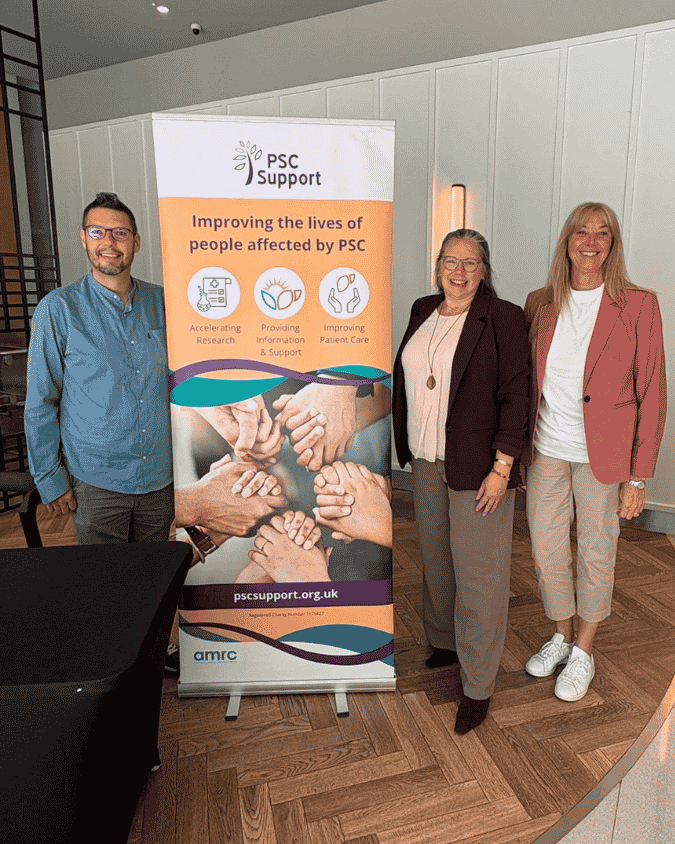
On 19th June, we held a dedicated round table event in London with IQVIA and Dr Falk Pharma UK to address the delivery of care for individuals living with PSC. Chaired by volunteer Becki Payne (Carter), the meeting brought together clinicians, researchers, and expert voices from across the UK to systematically identify key gaps and opportunities within current clinical services.
The ultimate goal was to gather multi-disciplinary expert input to support a consensus on an ideal, end-to-end clinical pathway for PSC within the NHS. This work supports our broader vision to improve care for people with PSC and prepare the NHS to deliver PSC treatments.
What is the ideal care pathway for PSC in the NHS?
An ideal pathway standardises the patient journey from initial diagnosis through long-term management. It ensures that regardless of geographical location, patients receive consistent, high-quality, and evidence-informed monitoring for complications such as colorectal and biliary tract cancers.
How does standardising care prepare the UK for future PSC treatments?
Currently, there are no proven medical treatments to slow or cure PSC. Developing a robust, uniform NHS care framework ensures infrastructure readiness, allowing clinics across the UK to efficiently distribute and monitor new therapies as soon as they emerge from clinical trials.
Why is consistent care critical for rare conditions like primary sclerosing cholangitis?
Because PSC is a rare and highly variable disease, patients frequently experience unequal access to specialist monitoring. Consistent care models reduce these geographical disparities, ensuring crucial protective screening, such as annual colonoscopies and bone density assessments, is standard practice nationwide.
Geographical Variability
Research highlights a distinct geographic pattern in the prevalence of primary sclerosing cholangitis across Europe, underlining the absolute necessity for standardised, equitable care delivery models across the UK.
Subtypes and Management
Standardising services helps identify individuals with variants, such as small duct PSC or PSC with features of autoimmune hepatitis, ensuring they are directed toward optimal management early in their care pathway.
Co-existing Disease Surveillance
A uniform care pathway helps guarantee that essential surveillance protocols for associated conditions, including inflammatory bowel disease, are uniformly implemented across all NHS trusts.
What's Next?
Work is continuing to develop the pathway and gain consensus from the wider PSC community so that the final proposed pathway is both practical and achievable while meeting patients' needs.