Taking the Patient Voice to BSG Live
Taking the Patient Voice to BSG Live
Building the Pathways to Improve PSC Care
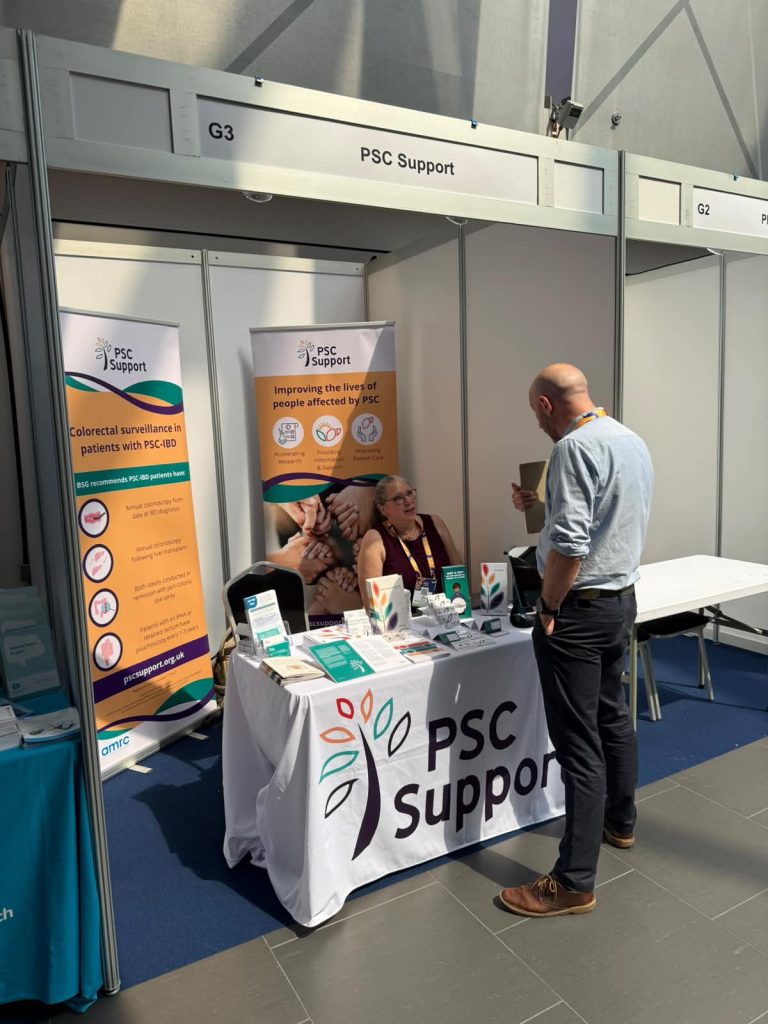
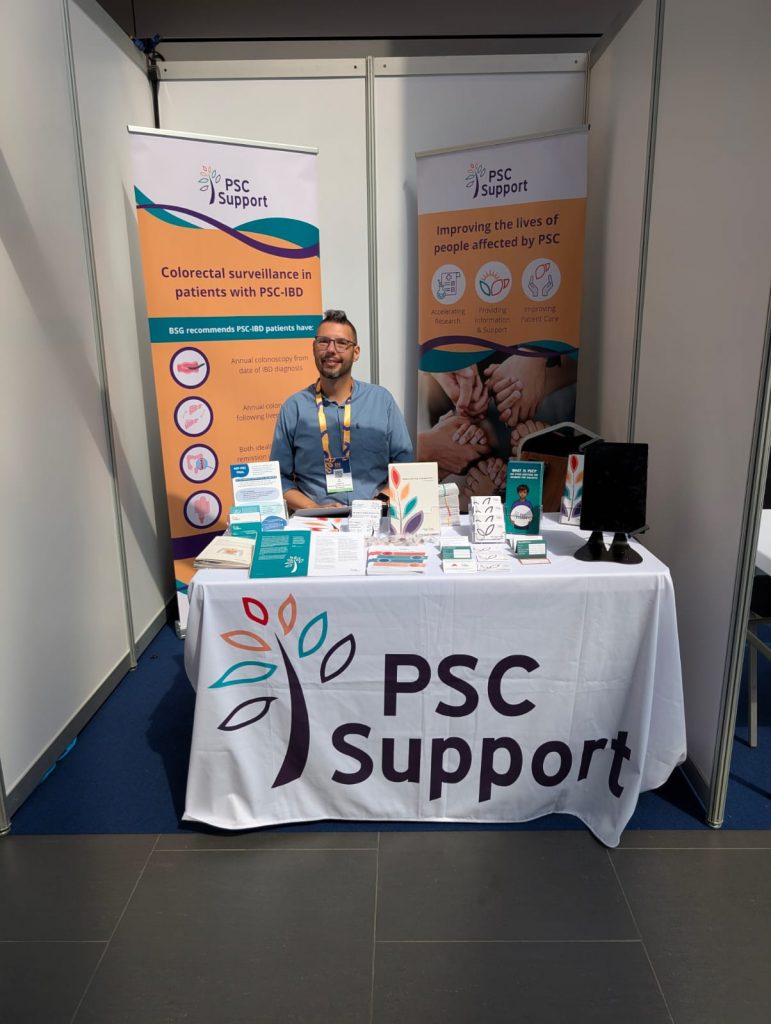
This week, the PSC Support team is attending the BSG Live meeting in Liverpool. As the UK’s dedicated patient organisation for primary sclerosing cholangitis, having a visible presence at this major national gathering of gastroenterologists and nurses is a core part of our strategy.
Our objective this year is to step outside of the immediate specialist liver centres to reach the wider network of general gastroenterologists. By doing so, we are working directly to solve some of the most persistent bottlenecks in PSC care and clinical trial recruitment.
Why Reaching General Gastroenterologists Matters
Primary sclerosing cholangitis is a rare, progressive liver disease. Because it affects roughly 7 in every 100,000 people in the UK, it is classified as a rare disease. In practice, this means that while a hepatologist at a transplant centre sees PSC regularly, a general gastroenterologist or inflammatory bowel disease (IBD) nurse at a local hospital may only look after a handful of patients with the condition across their entire career.
When awareness outside specialist centres varies, it can create a disconnect in care pathways. Patients often experience:
- Delayed Diagnosis: Years of unexplained symptoms before a definitive diagnosis is interpreted from scans.
- Unaddressed Symptoms: Invisible, high-burden symptoms like severe fatigue and itch being overlooked because a blood test result appears relatively stable.
- Missed Opportunities: Local care teams may not be aware of active clinical trials, meaning eligible patients are never given the option to participate.
Our attendance at BSG Live is a targeted strategy to change this. By taking our resources directly to general gastroenterology teams, we are helping to up-skill local clinics so that they can better understand your daily symptom burden, improve local supportive care, and open doors to cutting-edge research.
Activating the Asp-PSC Trial Across the UK
The most pressing driver of our strategy at this year’s conference is the Asp-PSC trial. This is the largest clinical trial for primary sclerosing cholangitis the UK has ever seen.
New medicines can only be developed through clinical trials, which depend entirely on finding enough volunteers. Because PSC is a rare condition, finding enough of the right people can take years, stalling scientific progress. The Asp-PSC trial needs hundreds of participants to generate robust evidence, and we cannot rely on specialist liver centres alone to meet this target.
At BSG Live, our stand is serving as an advocacy hub to connect with local medical teams and drive two actions:
- Opening New Trial Sites: We are actively engaging with gastroenterologists from smaller, regional hospitals, encouraging them to set up their local departments as active Asp-PSC trial sites so that participating in research becomes as stress-free and accessible as possible for patients, regardless of their postcode.
- Enlisting Frontline Clinicians and Nurses: We are equipping general gastroenterologists and IBD nurses with the information they need to spot eligible patients in their routine clinics and introduce them to the trial.
Mission 2030
No single research team or hospital holds all the answers. Breaking down barriers to research requires a coordinated, multidisciplinary effort across the entire NHS.
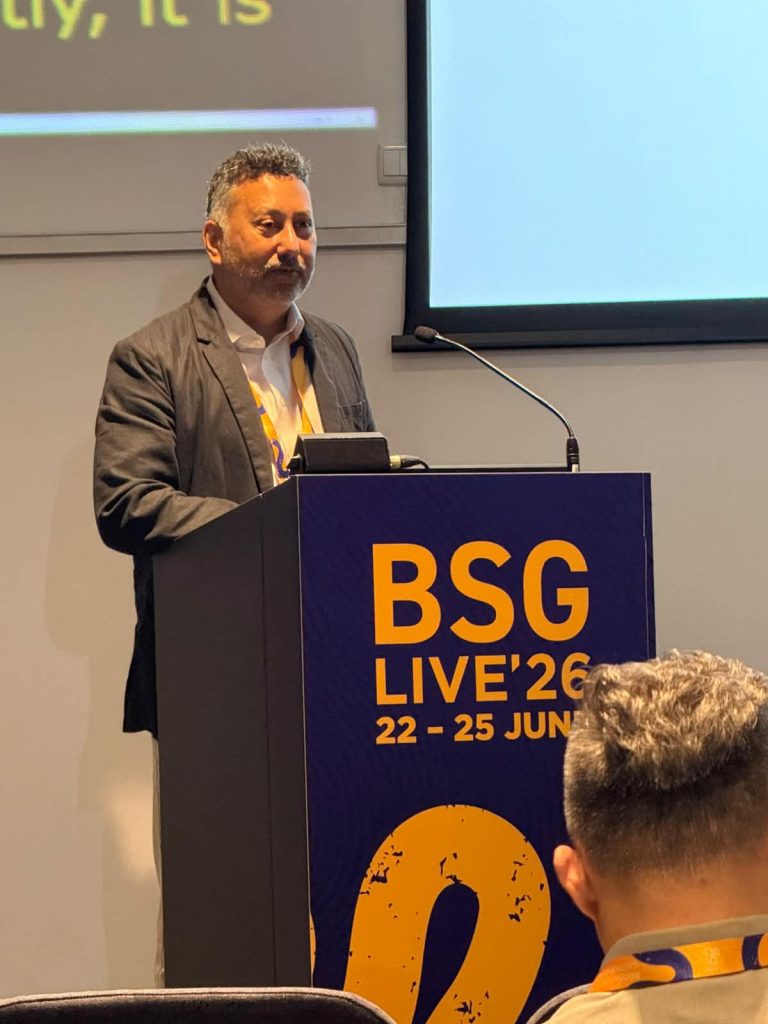
By bringing the patient voice to the forefront of the BSG Live meeting, we are not just raising awareness, we are actively building the infrastructure required to make historic clinical trials a success and ensuring that high-quality, evidence-backed care is accessible to all.
AI has been used in some parts of this news post to improve readability.
Turning Ambition into Action in 2026:
Our Fortnight in Focus
At PSC Support, we want a world without PSC. We work tirelessly behind the scenes to drive research and improve lives. Here is a snapshot of what we've been up to:
Improving Care: We attended a major national clinical conference to equip general gastroenterologists and nurses with specialist knowledge, which helps ensure future work is better aligned with what people with PSC need by improving local care and pathways.
Progressing Research: Our 2024 investment into early-stage research to build necessary scientific evidence enabled Dr James Sun to secure major national funding to explore the genetic drivers of the disease. This foundational knowledge is essential for identifying potential new treatments.
Progressing Research: We supported the development of a research manuscript on nutrition in PSC, so that the findings can be effectively shared with the wider medical community. This will help us advocate for the needs of people with PSC to ensure they get the care they need at the right time.
Improving Care: We hosted a clinical consensus meeting to map out an ideal PSC care pathway, which helps ensure future PSC management is better aligned with what people with PSC need. Establishing standard protocols across the NHS is essential for eliminating regional variations in care.
Progressing Research: We contributed to the strategic planning of an international rare liver disease network, which supports progress towards better care for people with PSC. Broadening our influence ensures patient needs are integrated into wider clinical strategies.
Improving Care: We shared firsthand experiences of living with PSC at an international medical school event, which improves clinical understanding of the disease for healthcare professionals. This is important because ensuring future specialists understand the human impact of PSC helps drive patient-centered care and clinical excellence.
Progressing Research: After just over 48 hours on our Big Give Small Charity Week match funding initiative, your donations helped us get to 78% of the way to our £20,000 goal! Thank you! Can we reach 100%?