May 2026 Research Roundup
Research Roundup
May 2026

Research and Advocacy at the EASL Congress
PSC Support championed the PSC patient voice on an international stage at the EASL Congress in Barcelona, a global liver research conference.
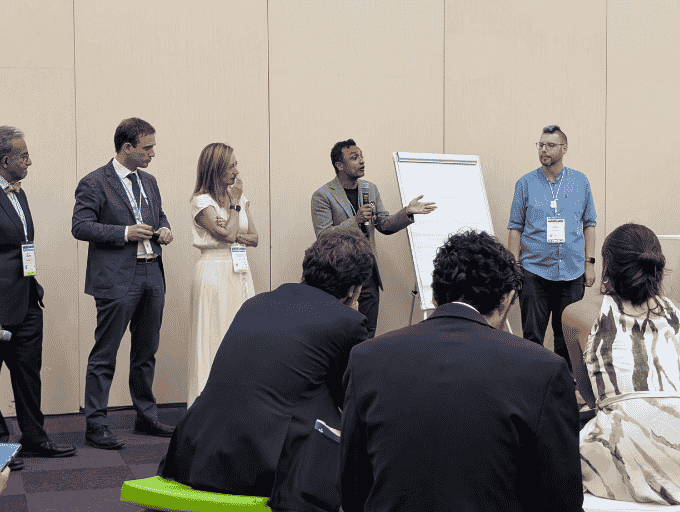
Charlotte Vockins, and Mark Chatterley joined medical experts to highlight the daily challenges of nutrition and physical activity for individuals with advanced liver disease awaiting transplantation. In another session, run by the pharmaceutical company, Mirum, Mark spoke powerfully about his personal experience of PSC. By sharing their insights from their lived experiences, they were able to directly influence clinical perspectives.
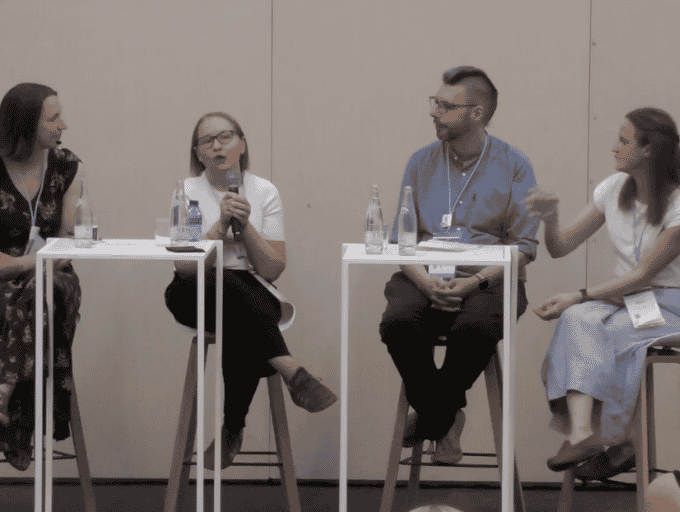
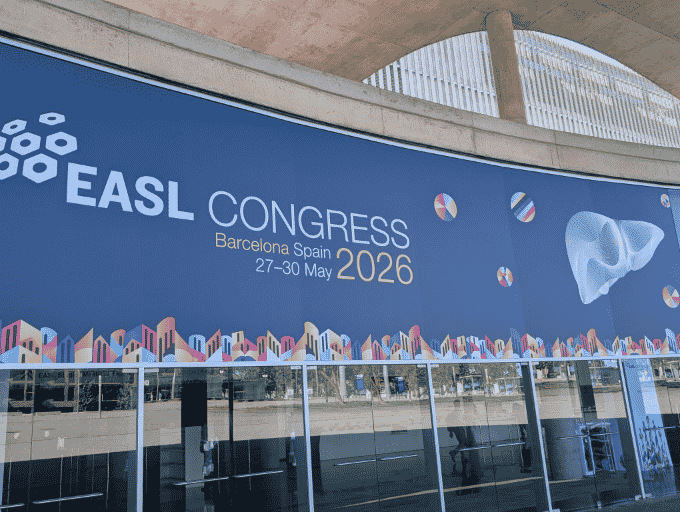
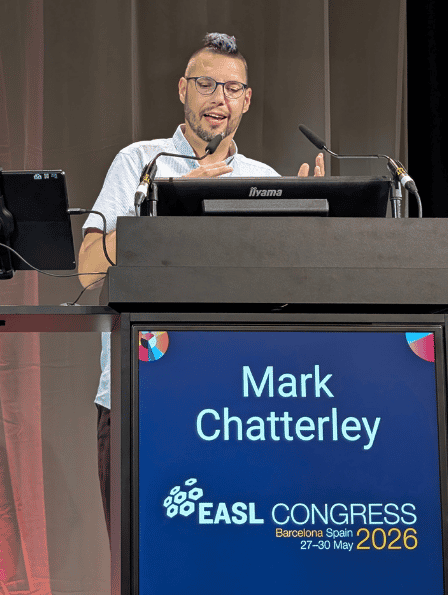
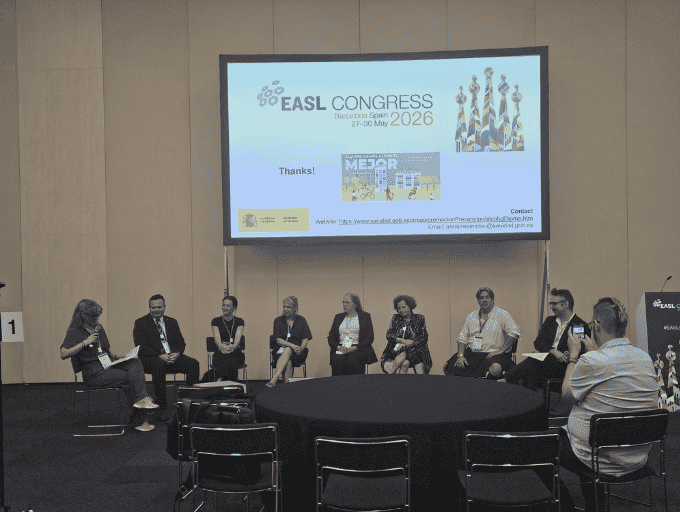
At the same Congress, I spoke at the International Interprofessional Roundtable alongside leading patient organisations and eminent hepatology experts, to challenge the status quo and advocate for more patient-centred care and research.
Our advocacy ensures that medical professionals recognise the true impact of PSC, driving research to address the unmet needs of people with PSC and driving improvements in patient care, support, and transplant management worldwide.
Research News
The EASL Congress is also one of the highlights of the year for liver research news. Here’s some of the key information we learned:
Volixibat Clinical Trial for PSC
Results from VISTAS, the largest clinical trial investigating a new medicine to control severe itching in people with primary sclerosing cholangitis (PSC), were presented at the EASL Congress. The trial evaluated an experimental tablet called volixibat, which works in the gut to block the recycling of bile acids and help them pass out of the body naturally. The study found that volixibat successfully reduced liver-related itching, and this beneficial effect was maintained throughout the 28-week trial and into its extension phase. PSC Support is now committed to working with regulatory authorities to ensure they understand the urgent need for effective treatments as they decide whether to approve the medicine.
EXALT trial
Physical frailty can lower the quality of life and increase health risks for individuals undergoing liver transplantation. The EXALT trial, a UK-based study conducted across two transplant centres, evaluated whether a personalised, home-based exercise and motivational programme could improve these outcomes compared to standard advice leaflets. The results showed that individuals who received remote support from a physiotherapist experienced significant improvements in physical fitness, quality of life, and frailty levels 24 weeks after their transplant. Furthermore, early findings from the trial suggest that the programme is safe, helps individuals stay motivated to exercise, and may support better overall survival rates post-surgery.
Armstrong M, Mehta S, Duda J, Fenton S, Ngonadi C, Freer A, Hargreaves A, Cope N, Brant D, Sun Y, Melikian C. OS-108 Home-based exercise and motivational programme before and after liver transplantation (EXALT): a multicentre randomised, controlled trial. Journal of Hepatology. 2026 May 1;84:S61.
DYNAMHIX
Evidence for bile acid-mediated ileal barrier function deficits in PSC: new pathways that are disrupted in the small intestine of patients with PSC. These pathways represent potential new targets for treatment that can be tuned by microbiome intervention. This study was part-funded by PSC Support and selected as one of the ‘Best of EASL’ abstracts.
Ilott N, Provine N, Friedrich M, Pearson C, Dooley K, Heslington A, Tomczak M, Coldwell K, Neves EA, Hoyle A, Kimura Y. OS-065 Evidence for bile acid-mediated ileal barrier function deficits in primary sclerosing cholangitis. Journal of Hepatology. 2026 May 1;84:S43.
p38–mTORC1 signalling
Researchers from Sweden have identified a specific molecule produced by gut bacteria, called imidazole propionate (ImP), which is highly elevated in people with PSC. Laboratory and animal-model experiments suggest that this molecule actively drives bile duct inflammation and scarring (fibrosis) by turning on a specific chemical signalling pathway (p38–mTORC1). Because ImP levels remain high even after a liver transplant and are associated with reduced transplant-free survival, monitoring or blocking this bacterial molecule may offer a brand new strategy for predicting disease progression or developing targeted treatments.
Molinaro A, Braadland PR, Palou AC, Carpino G, Nikolaidis M, Hanzely P, Beck K, Ali A, Bossen L, Frank AK, Lundqvist A. GS-002 The microbe-derived metabolite imidazole propionate promotes the pathogenesis of primary sclerosing cholangitis via p38–mTORC1 signaling. Journal of Hepatology. 2026 May 1;84:S2.
SABR-PSC
In this small pilot study, Dr Amera Elzubeir investigated whether an experimental drug called brodalumab is safe and practical for people living with PSC. The medicine works by blocking a specific immune system pathway that is thought to cause liver inflammation in people with this condition. All six adult participants successfully completed the 13-week injection routine, and the treatment was found to be safe, well-tolerated, and did not cause any flare-ups of inflammatory bowel disease. While the study was too small to prove effectiveness, two participants showed notable improvements in their liver blood tests and scarring scores. A a larger clinical trial is now needed.
Burden of Illness in PSC Study
This international study investigated how living with PSC impacts a patient's overall well-being, specifically focusing on the effects of itching and fatigue. By comparing survey responses from individuals with the condition against the general public, researchers found that these symptoms cause widespread disruption to physical, emotional, and social health. Notably, the data revealed a link between more severe itching and higher levels of tiredness, with half of the affected individuals stating that their symptoms negatively impacted their ability to work. The findings highlight that current treatments are not successfully managing these daily challenges, emphasising a clear need for better medications to improve quality of life.
Artificial Bile Ducts - Update!
Remember Dr Fotios Sampaziotis and Dr Teresa Brevini from Cambridge who are working on developing artificial bile ducts for PSC? We caught up with them just after they had presented impressive progress on their work to the Congress.
EASL Recognition Award
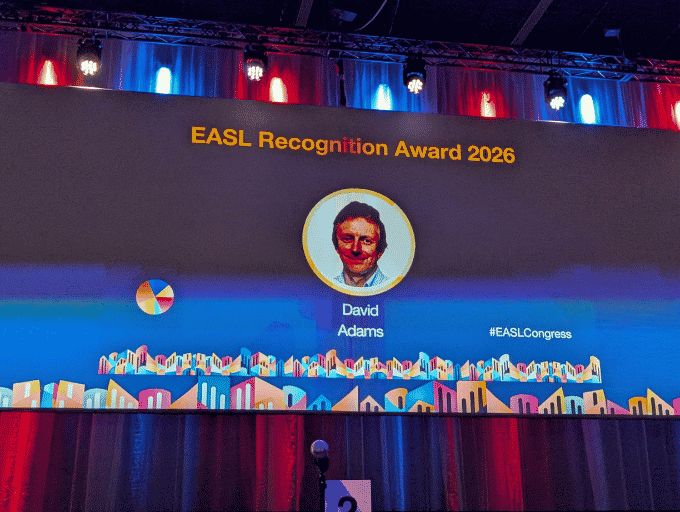
Last but not least, huge congratulations to PSC Support Trustee, David Adams, who was presented with the prestigious EASL Recognition Award! We are very proud!
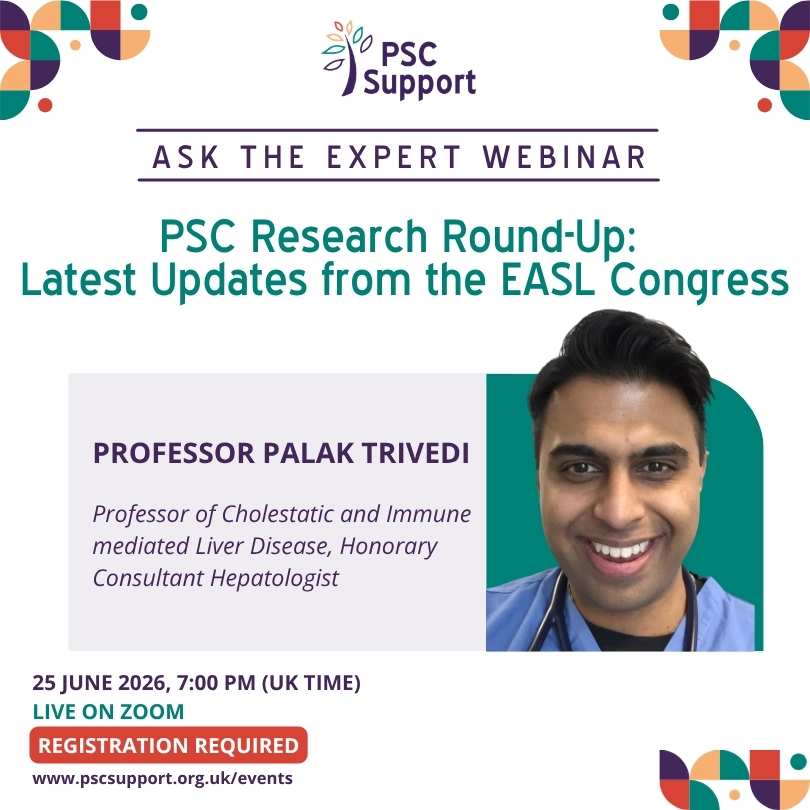
We’ll share more PSC research news in the coming weeks. If you want to know more, join me on 25 June at 7pm (UK) when I talk to Professor Palak Trivedi about research from this year's EASL Congress. Register here for this exciting Ask the Expert. I hope to see you there! [Update: link to recording]
Do drop me an email if you have any questions:
Martine Brown
PSC Support Head of Research and Policy/ Co-CEO
ERN RARE-LIVER Management Board and PSC Working Group Co-Lead
More EASL 2026 News
For more news from the 2026 EASL Liver Research Congress, register for our Ask the Expert scheduled for 7pm 25 June 2026 with Professor Palak Trivedi, and check out the news posts below: