Volixibat Announcement at EASL Congress 2026
VISTAS Clinical Trial
RESULTS UPDATE
30 MAY 2026
Results Update
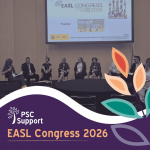
Results from the largest clinical trial (VISTAS) to investigate a new medicine to control itch in people with primary sclerosing cholangitis were presented today at the EASL Congress in Barcelona.
What is the EASL Congress?
The EASL Congress is Europe’s largest event dedicated to liver health, bringing together doctors, scientists, allied health professionals, patients, and industry partners to share knowledge, highlight breakthroughs, and build meaningful connections.
What is VISTAS?
VISTAS is a clinical trial that looked at a medication called volixibat, which is designed to target and lower the build-up of bile acids that can cause severe itching in people with PSC. VISTAS looked at 158 adults with PSC.
What is volixibat and how does it treat primary sclerosing cholangitis itch?
Volixibat is an experimental tablet that aims to stop bile acids from building up in the body. It works in the gut to block the body from recycling these acids, allowing them to be passed out naturally instead of entering the bloodstream. This helps reduce the severe liver-related itch that many people with PSC experience.
What were the VISTAS findings announced today?
Earlier this month, top line results for this trial were published, showing that when people took volixibat, their itch reduced.
Today we learned that the reduction of itch was maintained over the 28 weeks of the trial. Furthermore, we asked if this beneficial effect lasted into the Open Label Extension and the answer was a resounding, YES!
What happens next?
The final decision regarding whether volixibat will be approved and made available to patients rests with the regulatory authorities. PSC Support is committed to working closely with these regulators to ensure they fully understand the severe impact of pruritus and the urgent need for effective treatments in our community.
More EASL 2026 News
For more news from the 2026 EASL Liver Research Congress, register for our Ask the Expert scheduled for 7pm 25 June 2026 with Professor Palak Trivedi, and check out the news posts below: