Advancing PSC Research: New Funding Awards for 2025
Mission 2030
Advancing PSC Research: New Funding Awards for 2025

PSC Support is delighted to announce the funding of two new research projects dedicated to improving our understanding of primary sclerosing cholangitis (PSC). These projects are now underway, representing a significant milestone in our Mission 2030 research goals.
Our total Mission 2030 research funding now stands at £852,588. This investment remains focused on our core strategic priorities: unlocking understanding and accelerating treatment development.
Dr Pedro Rodrigues
PSC Support has awarded £30,000 to Dr Pedro Rodrigues and Prof. Jesús M Bañales from the Biogipuzkoa Health Research Institute in San Sebastián, Spain.
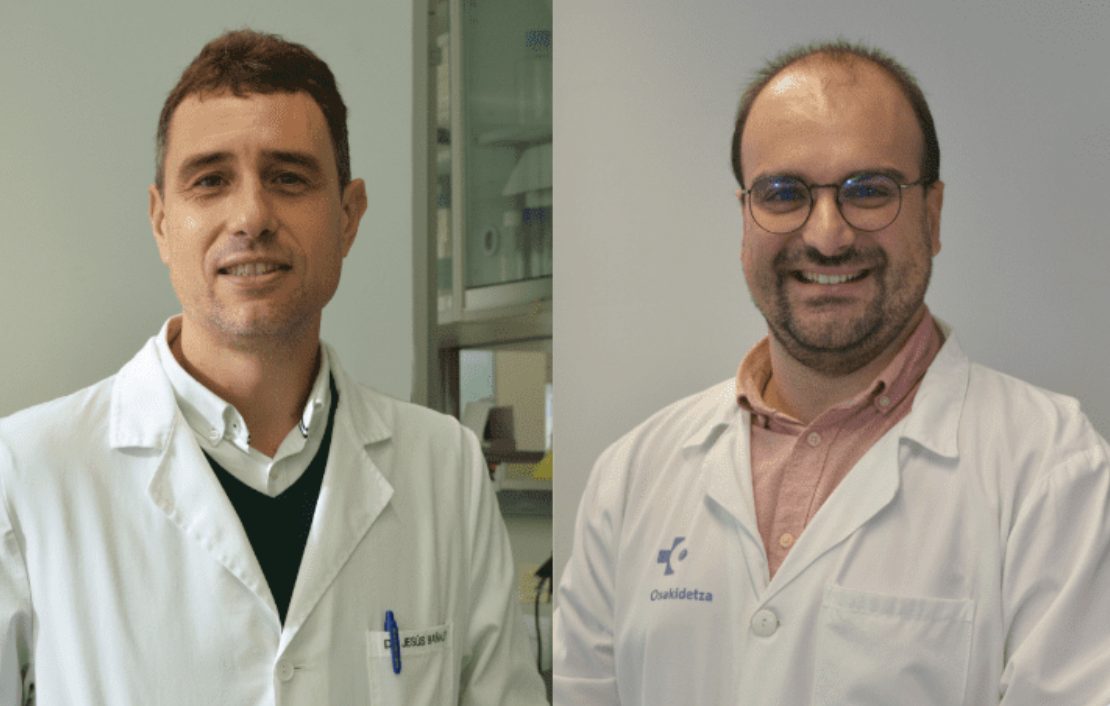
Finding bile duct cancer (CCA) early is a major challenge because current routine tests are unable to reliably detect it early. Dr Rodrigues' previous work with Professor Jesús Bañales developed a new, non-invasive test that uses small molecules in the body to spot signs of CCA much earlier.
Dr Rodrigues now aims to prove this test works reliably across a global group of patients. The goal is to create a simple blood test ('liquid biopsy'). This would allow doctors to better understand a person’s risk, detect cancer sooner, and tailor treatment. Ultimately, this work aims to help people with PSC live longer, healthier lives.
Dr Edward Jarman
PSC Support has awarded £49,928 to Dr Edward Jarman to investigate the mechanisms through which PSC promotes risk of bile duct cancer (cholangiocarcinoma, or CCA). He aims to identify specific cell populations within the liver that they believe are particularly prone to changing and becoming high risk for cancer due to inflammation.

Dr Jarman will use a technology called spatial transcriptomics to zoom in on this population of cells (which express a protein called COX2) in tissue from people with PSC and understand exactly how these cells react to PSC inflammation.
Dr Jarman will use animal models to functionally verify whether COX2 is involved in these changes and whether its actions can be reduced or turned off, and if this can reduce the cancer risk. He hopes that this research will inform future strategies for targeted cancer prevention in people with PSC.
More research we've funded:
Turning Ambition into Action in 2026:
Our Fortnight in Focus
At PSC Support, we want a world without PSC. We work tirelessly behind the scenes to drive research and improve lives. Here is a snapshot of what we've been up to:
Improving Care: We attended a major national clinical conference to equip general gastroenterologists and nurses with specialist knowledge, which helps ensure future work is better aligned with what people with PSC need by improving local care and pathways.
Progressing Research: Our 2024 investment into early-stage research to build necessary scientific evidence enabled Dr James Sun to secure major national funding to explore the genetic drivers of the disease. This foundational knowledge is essential for identifying potential new treatments.
Progressing Research: We supported the development of a research manuscript on nutrition in PSC, so that the findings can be effectively shared with the wider medical community. This will help us advocate for the needs of people with PSC to ensure they get the care they need at the right time.
Improving Care: We hosted a clinical consensus meeting to map out an ideal PSC care pathway, which helps ensure future PSC management is better aligned with what people with PSC need. Establishing standard protocols across the NHS is essential for eliminating regional variations in care.
Progressing Research: We contributed to the strategic planning of an international rare liver disease network, which supports progress towards better care for people with PSC. Broadening our influence ensures patient needs are integrated into wider clinical strategies.
Improving Care: We shared firsthand experiences of living with PSC at an international medical school event, which improves clinical understanding of the disease for healthcare professionals. This is important because ensuring future specialists understand the human impact of PSC helps drive patient-centered care and clinical excellence.
Progressing Research: After just over 48 hours on our Big Give Small Charity Week match funding initiative, your donations helped us get to 78% of the way to our £20,000 goal! Thank you! Can we reach 100%?