Katie’s Journey: From Liver Failure to a Second Chance at Life
Diagnosed with PSC at 23, civil engineer and dodgeball player Katie shares her path through sudden illness, waiting 16 months on the transplant list, and regaining her independence.
Living with PSC and Crohn’s

I was diagnosed with PSC and Crohn's Disease in 2020, following years of increasing fatigue, pain in my ribs and sickness. Over the next few years, my PSC was pretty mild with elevated bloods and ongoing symptoms which I managed with planned rest and a low fat diet. My Crohn's was medicated with varying immunosuppression, and again was a pretty mild case thankfully!
I was able to live a full life, full time job as a civil engineer, weekly training sessions and regular tournaments as a dodgeball player, and plenty of trips to explore new places. I missed out on some events, but never felt like my chronic illnesses held me back. My friends and family were great with knowing my low fat diet and that I couldn't push myself too far without rest.
A Sudden Turn and Facing Liver Failure
I didn't really take the liver disease prognosis seriously until it started going downhill in summer 2024. In June I noticed my eyes turning yellow. I went through tests and we found my liver was getting worse, but I didn't have any symptoms so my team at Kings College Hospital and I were keeping an eye on things. I still kept up my job and social activities. I went to my first pride in Brighton and had a fantastic time! However, I had thrown up that morning and was feeling more tired than usual. The next day, I felt wiped out and unable to lift any weight, so I contacted my consultant and ended up in A and E for antibiotics, due to a suspected cholangitis infection.
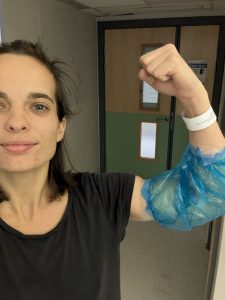
My first week in hospital
The longest I'd been in hospital before was 6 hours, and that was only ever for outpatient tests. This was my first time as an inpatient, requiring 5 days of IV antibiotics. Going from an independent adult to a patient within a few days was a massive mental challenge, which took a long time and plenty of therapy to get through.
After the antibiotics, my tests were showing liver failure, and after 1.5 weeks I was told the only option was for me to get a liver transplant. This was incredibly tough to hear and I cried for several hours, trying to wrap my head around how I was suddenly so ill and needing such an extreme option. Thankfully friends and family kept me going throughout the time, keeping me company and sharing gossip to catch me up on the outside world.
Following many assessment tests and education sessions, I was added to the liver transplant wait list on 10th September, I was just 28 years old. Over the next 3 months, I was in and out of hospital several times, totalling 9 weeks. I ended up becoming jaundiced throughout my skin, losing 10kg of weight to where I could see too many bones. My body went through a full check list of liver failure side effects, including ascites, portal hypertension, frequent liver pain, nausea, loss of appetite etc. I required a series of 2 stents to help open up my bile ducts.
Adapting to the Wait List and Finding Coping Strategies
As time went on, I was unable to work and ended up moving back in with my parents. The fatigue got so bad at points that I'd need a nap after a shower, couldn't stand up long enough to make even just a bowl of cereal or walk more than 10 minutes without sitting down.
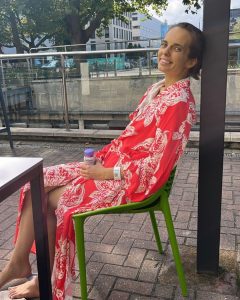
In and out of hospital during liver failure, very clearly jaundiced.
My work kept me on long term sick leave, and I was able to access talking therapy. The weekly sessions talking through being so ill and the impact on my mental health really helped me process what was going on.
On bad energy days I was only able to lie down and watch TV, my brain feeling so slow that I couldn't concentrate on anything. On better days I would read, and I got through so many sci-fi and fantasy books! Other days where I felt some energy, I was able to start being creative and use my sewing machine to make bags and clothes.
While you're on the wait list, you have to keep your phone on you 24/7 in case the call comes through. I found it incredibly stressful waiting to see if the call would come, I'd lie awake for ages each night wondering if it would start ringing. To work through the stress, I would give my phone to my parents and let them be in charge of it sometimes. I also packed a hospital go bag and had a packing list ready so I was as organised as possible. You're also limited to a roughly 2 hour drive radius from your hospital, which felt claustrophobic at times. I went on two trips further afield, putting myself on pause for a mental health break away from the constant waiting, which really helped get my mind back on track.
The Call, Surgery, and a New Beginning
As I'm young and have O blood, among other factors, I was told to expect a long wait, possibly up to 2-4 years. Luckily for me, after waiting by my phone for over 1 year and 4 months, I got woken up at 6:30am by the call on a January morning. I definitely swore as my coordinator told me they had a potential liver, and I ran to wake my parents up, having them listen to the instructions because my mind was racing too hard to really listen.
I was told it was a DCD donor, which has a 50/50 chance of being viable, so not to get my hopes up. We got to the hospital later that morning and following tests on both my end and the donor liver, my transplant went ahead successfully at 3am the day after I got the call.
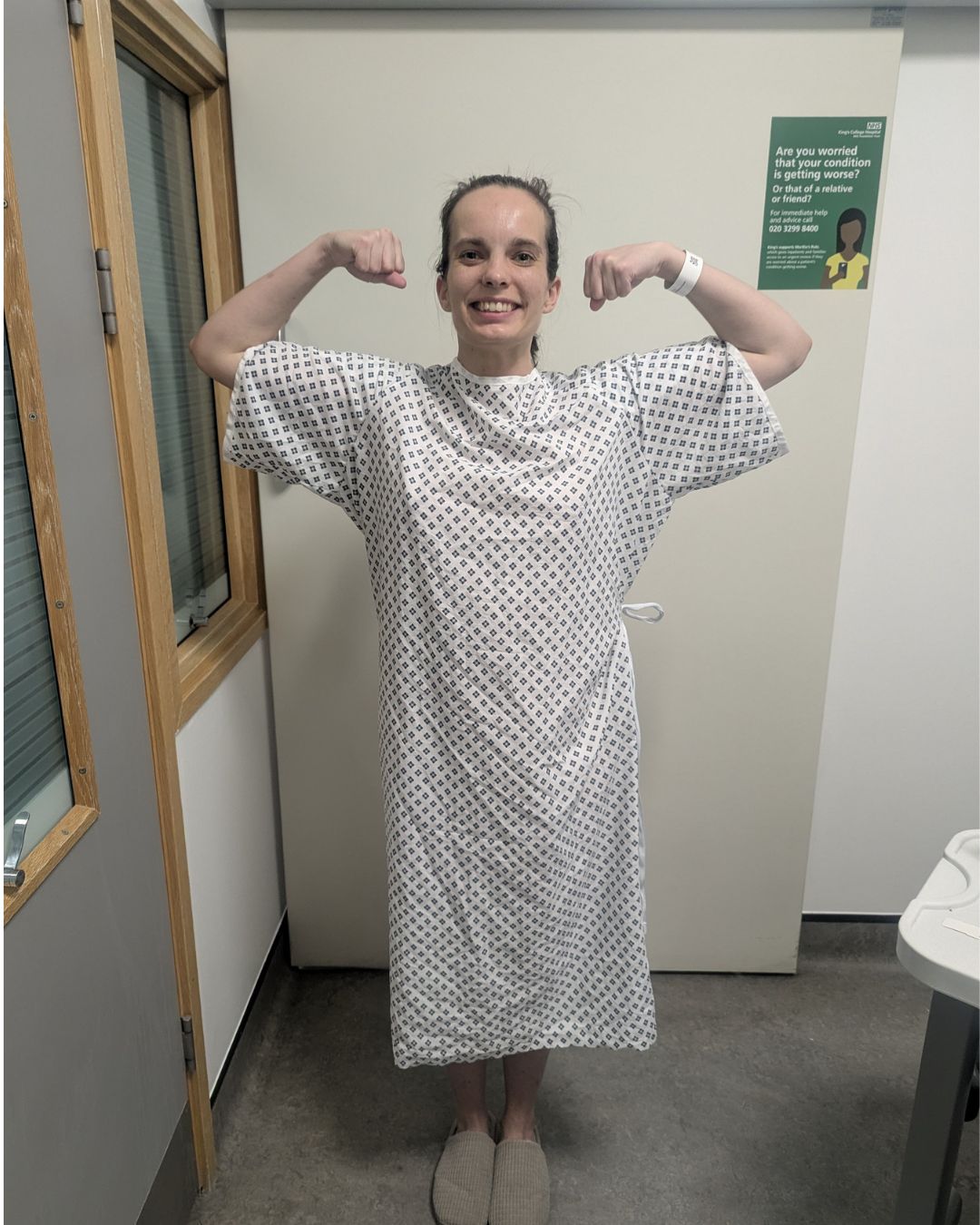
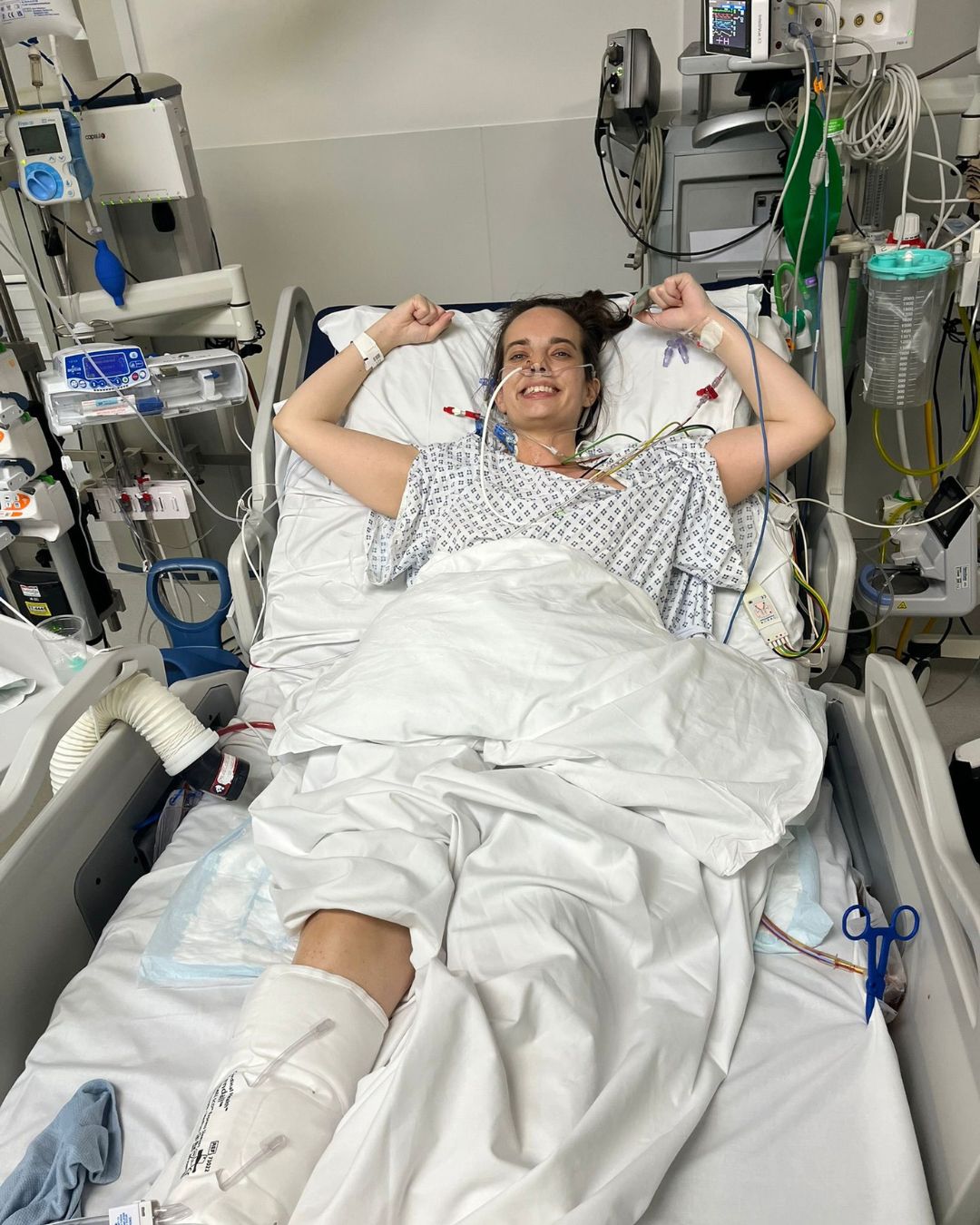
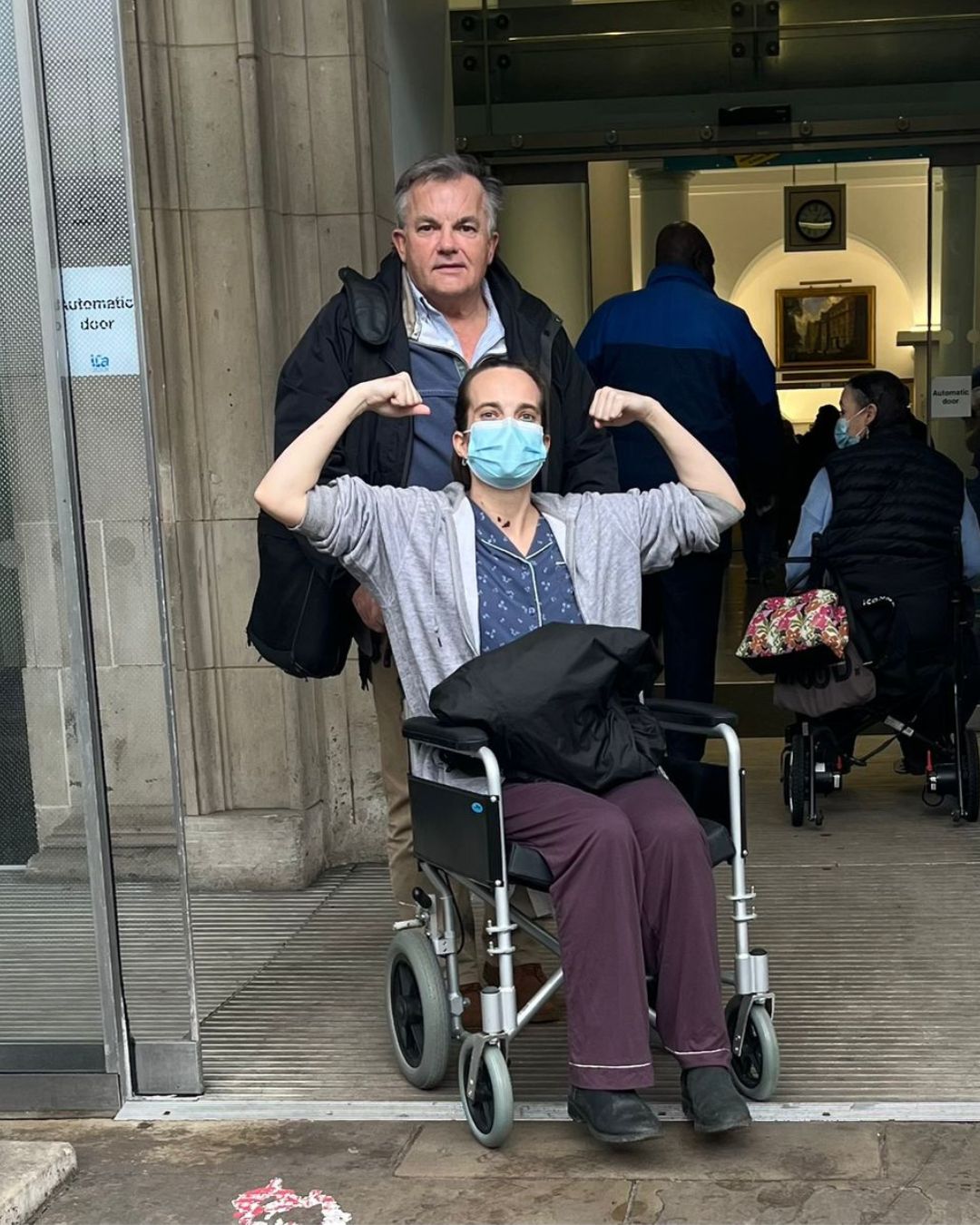
The recovery in hospital was tough, especially as this was my first ever surgery, but my progress each day was ridiculously fast and I was discharged 10 days post op. I was so grateful to leave with a working liver, knowing that the road ahead would be tough, but that I was leaving hospital free of liver failure and that I was going towards a healthier me.
Recovering Strength and Grateful for a Second Chance
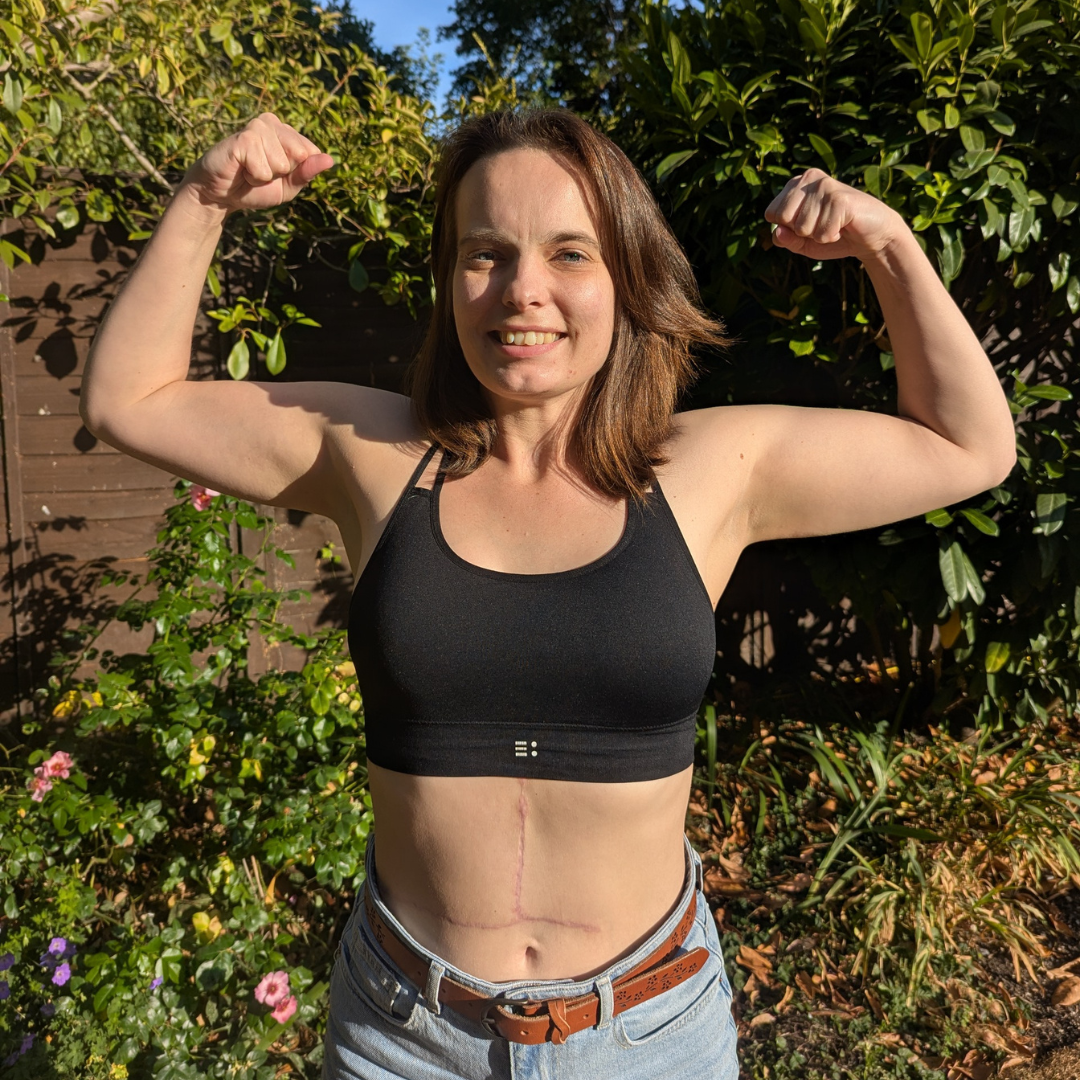
Apart from one episode of acute rejection 2 weeks after initial discharge, my liver has been amazing. My liver bloods are completely normal, like actually within the green for the first time ever, and I've had over a hundred blood tests in 7 years. My symptoms have all but gone, I can eat fatty foods with no pain or nausea, I no longer have nose bleeds and my eyes are white again which amazes me each time I look in the mirror.
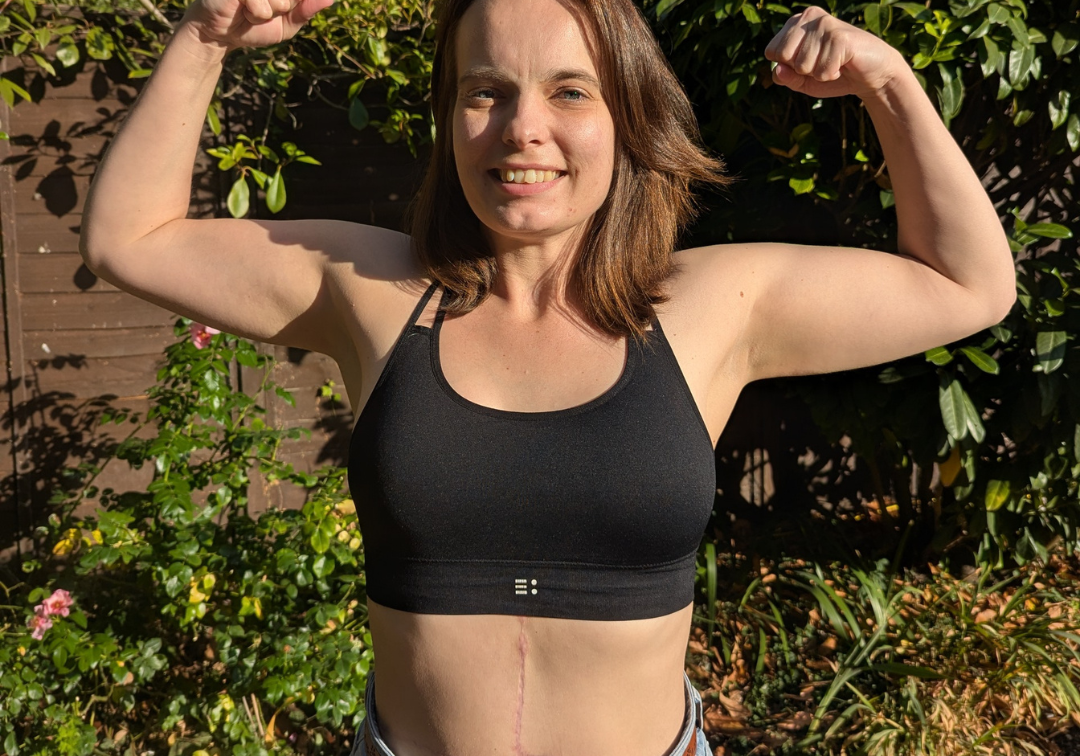
Every month since my transplant, I've noticed improvements in my body. This past month I've started exercising again, which feels incredible, having aching muscles from being worked rather than extreme fatigue. I plan to begin a phased return to work next month, slowly but surely getting back to a full, independent life.
Six months post-transplant.
I am constantly wary that anything could go wrong, I keep an eye on any symptoms, but mostly I'm trying to use my energy on enjoying life, seeing friends and doing the things I love.
I get emotional when I think about the donor side of my transplant, how one person and their family selflessly decided to donate their organs so I and others could get back to living healthier lives. I've still not processed that, I'm working hard in therapy to do so, but for now I can truly say I am so truly grateful for my new liver and my donor giving me this second chance at living.
Thank you to Katie for sharing her transplant story with us during Organ Donation Week
More liver transplant stories.
-
Katie’s Journey: From Liver Failure to a Second Chance at Life
-
A Liver For Gary
-

Stewart’s Story: Mountain Biker, Martial Artist and Liver Transplant Recipient
-
UPDATE: Tom’s Transplant 3 and beyond!
-

Ben Looks to the Future After Receiving a Life Saving Liver
-
Jonny: A Journey like no other
-
Dan
-
Keith
-
Organ Donation Week James
-
Organ Donation Week 2022 Tom
-
Organ Donation Week Gary
-
Liz and Jade
-
John’s Liver Transplant Story
-
Clare
-
Andrew
-
Emma
-
David
-
Clare Transplant Games
-
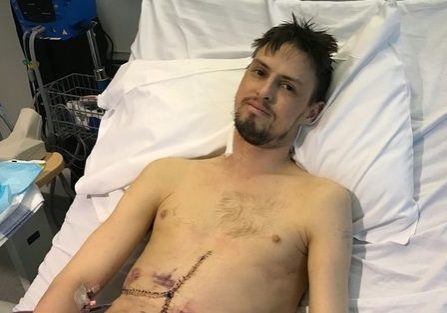
Nathan’s Letter to his Organ Donor Family
-
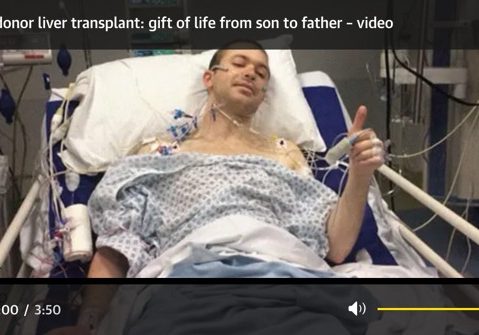
Noam Tamir