Dr Pedro Rodrigues
International blind validation of novel blood metabolomic tests for PSC and CCA

Awarded to Dr Pedro Rodrigues, Biogipuzkoa Health Research Institute, San Sebastián, Spain
The total grant awarded is £30,000
Duration of award: 27 months
Research title: International blind validation of novel blood metabolomic tests for PSC and CCA
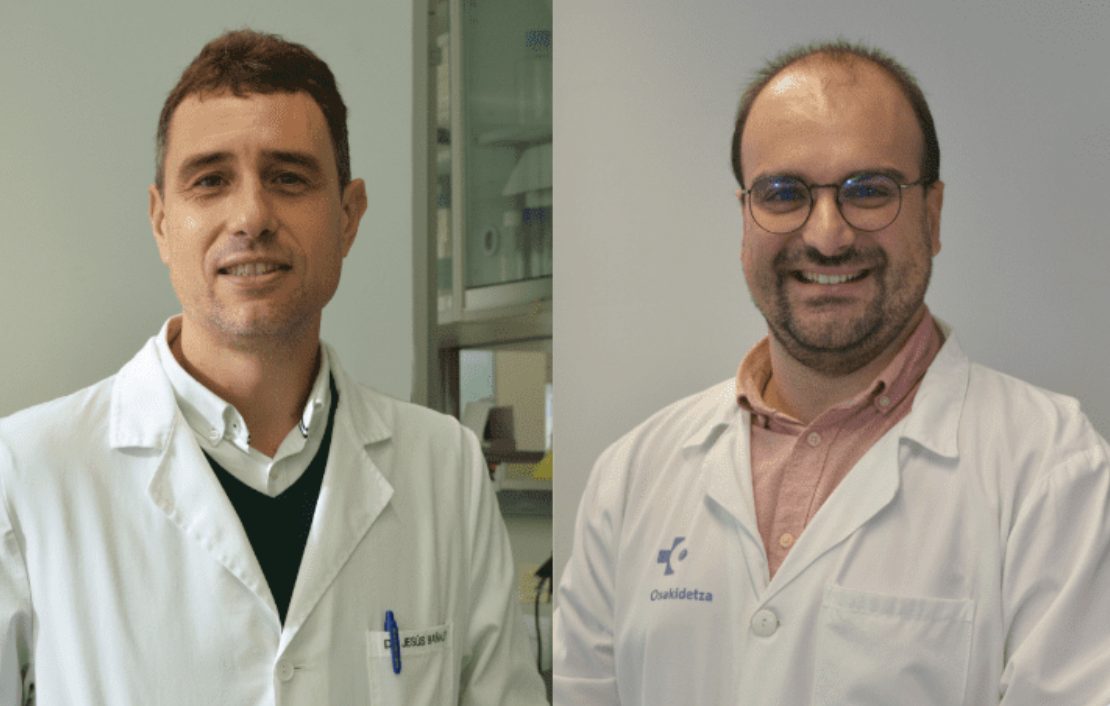
This project builds on Dr Rodrigue's previous work with Professor Bañales, funded by PSC Support.
Summary
PSC Support has awarded £30,000 to Dr Pedro Rodrigues and Prof. Jesús M Bañales from the Biogipuzkoa Health Research Institute in San Sebastián, Spain.
Finding bile duct cancer (CCA) early is a major challenge because current routine tests are unable to reliably detect it early. Dr Rodrigues' previous work with Professor Jesús Bañales developed a new, non-invasive test that uses small molecules in the body to spot signs of CCA much earlier.
Dr Rodrigues now aims to prove this test works reliably across a global group of patients. The goal is to create a simple blood test ('liquid biopsy'). This would allow doctors to better understand a person’s risk, detect cancer sooner, and tailor treatment. Ultimately, this work aims to help people with PSC live longer, healthier lives.
Aims
With this grant, Dr Rodrigues and Prof. Bañales aim to prove that their new test works reliably for everyone with PSC. By testing it with a large, independent group of patients, they can confirm its accuracy in:
- Diagnosing PSC.
- Spotting CCA at an early stage.
- Estimating an individual’s risk of developing cancer in the future.
If successful, this test could transform how people with PSC are monitored. It will help doctors create better check-up programmes, ensuring that those at the highest risk get the right treatment faster. It could also help prioritise those who need a liver transplant most urgently. Ultimately, this research is about moving a promising discovery out of the lab and into the clinic to save lives.
What will Dr Rodrigues do?
To make sure the new test is accurate, the team is using blood samples collected from specialist liver centres around the world. These samples come from five different groups of people, including:
- Healthy individuals.
- People with ulcerative colitis (UC) but no liver disease.
- People with PSC who have remained cancer-free for over five years.
- People with PSC, using samples taken before they developed bile duct cancer (CCA).
- People with PSC who have already been diagnosed with CCA.
- Other liver diseases.
The study is blinded, which is a gold-standard research method. This means the lab scientists testing the blood will not know which group a sample belongs to. They will use the new test to predict which person has which condition based only on the small molecules (metabolites) in their blood.
After that they will compare their results to the actual medical records to see how often the test got it right. They will then calculate the test’s accuracy and its ability to correctly spot cancer while avoiding false alarms
How might the study improve lives?
Dr Rodrigues and Prof. Bañales will use blood samples and medical data from over 600 people across the world, one of the largest groups ever studied for this purpose. The team will use these samples to blindly test their new method. By doing this, they can prove that the test accurately identifies PSC and spots early signs of CCA. They will also see if it can predict which patients are most likely to develop cancer in the future.
This project aims to change how PSC is managed by providing doctors with a simple, affordable, and reliable blood test. By finding cancer at the earliest possible stage, we can ensure more people are eligible for life-saving surgery and curative treatments.
Why is this study important?
Bile duct cancer (CCA) is a major concern for our community, causing more than one-third of all premature deaths related to PSC. Because this cancer is aggressive and often found too late, the outlook for patients can be very poor.
At the moment, surgery to remove the tumour is the only potential cure, or liver transplantation in very specific cases. This is only possible if the cancer is caught in its earliest stages. International experts and patients agree that we must focus on better ways to find cancer early, especially for those at high risk.
This project will test a new, affordable, and accurate way to monitor PSC. If successful, it will help doctors spot cancer sooner and give patients faster access to life-saving treatments
Mission 2030 is an ambitious challenge and we can’t do it alone. We need your help to find the breakthrough people with PSC so desperately need.
It’s time we found effective treatments for PSC
Play your part in leaving no stone unturned
Make a donation to research and all the other things we do to help people affected by PSC