A sibling’s gift: Bethan and Peter’s story
From trampling their grandma's rhubarb on summer holidays to sharing a liver.
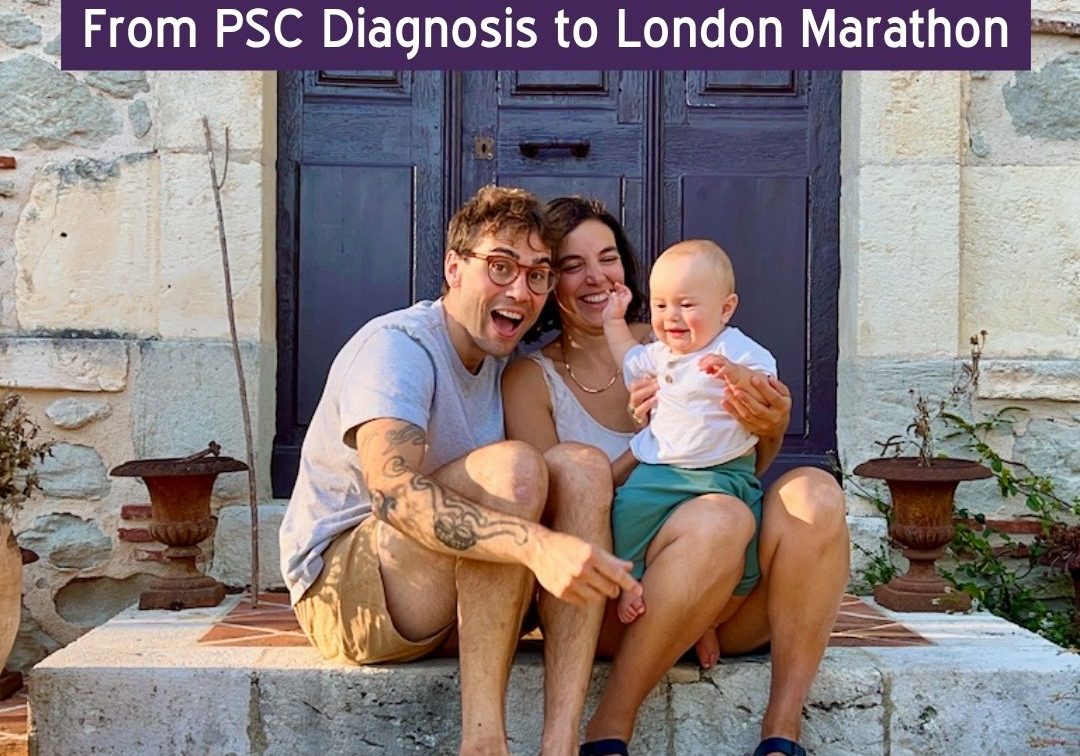
Bethan and Peter had a happy childhood together, spending time outside making messes and enjoying nature. When Peter was diagnosed with PSC as an adult, their family navigated the realities of living with a chronic liver condition and, ultimately, the need for a transplant.
Quick Links
 When Pete was diagnosed with PSC, he said to all of us, don't Google this disease. So I, being me, straight away Googled everything I possibly could.
Thankfully I came across the PSC Support website, which was one of the first places where I read about living donors. So without any family knowing what I was doing I found out what Pete's blood group was, I found out what mine was and I had it in my mind that, should it come to it, then I would definitely be up for at least having an assessment for living donation."
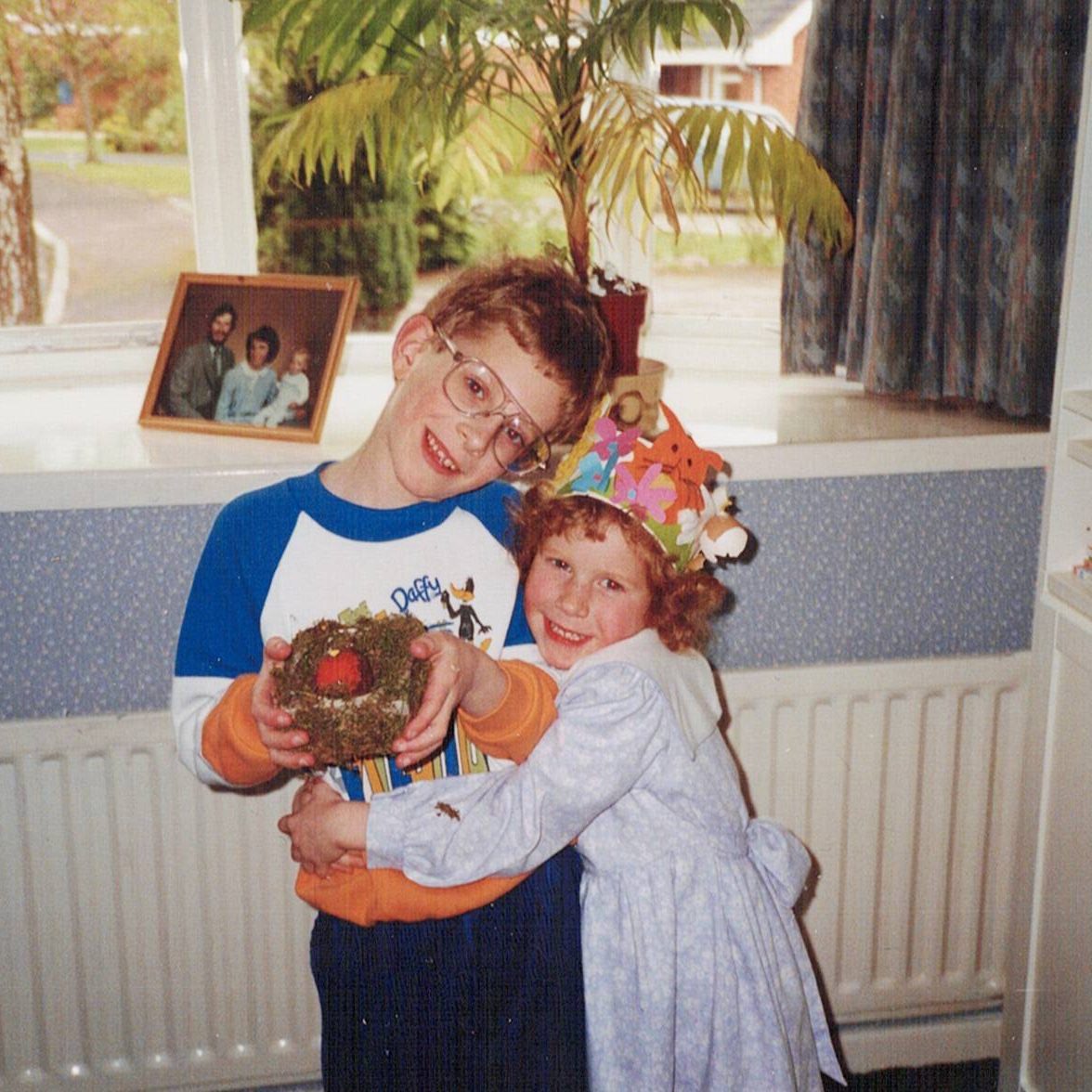
Just nine weeks after transplantation, Bethan and Peter sat down with us and shared their journey as a family affected by PSC, and as a living liver donor.
Connect with others
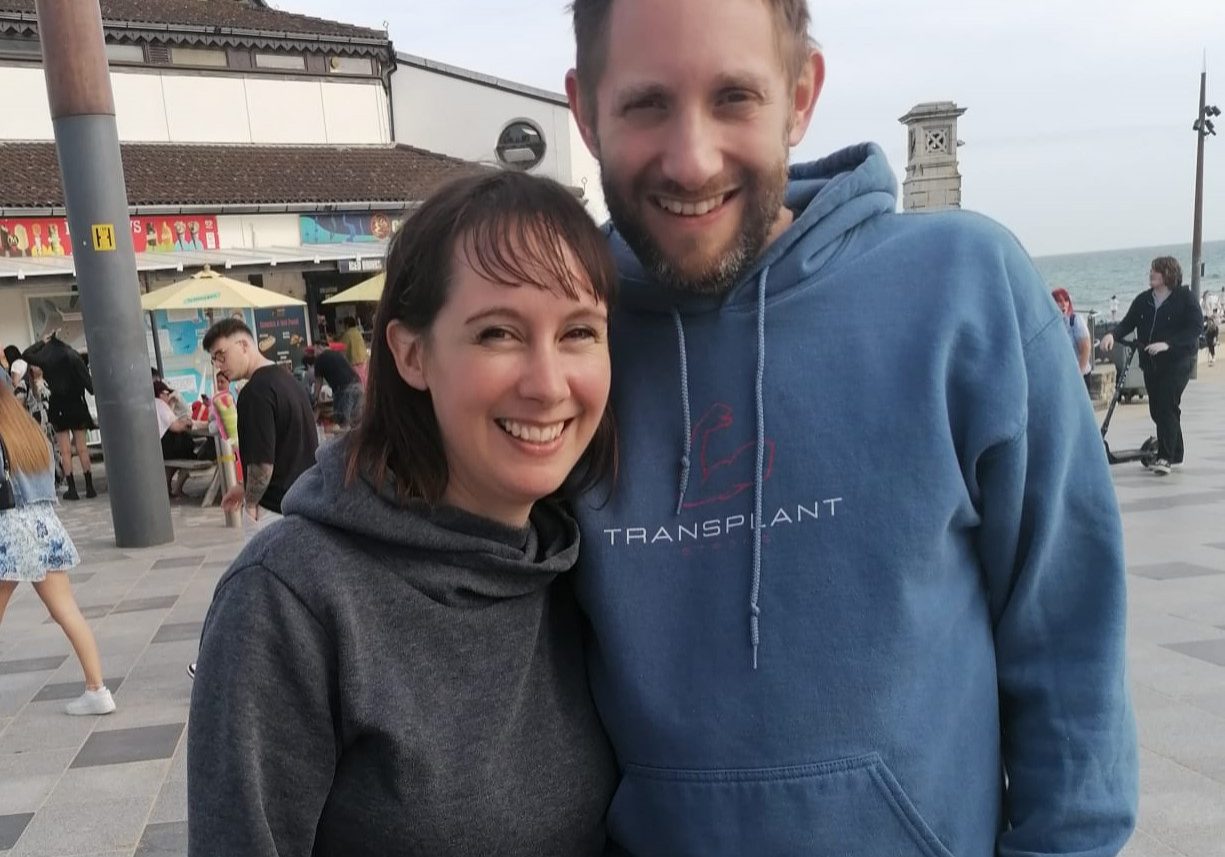
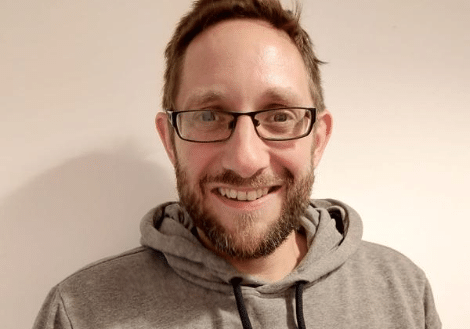
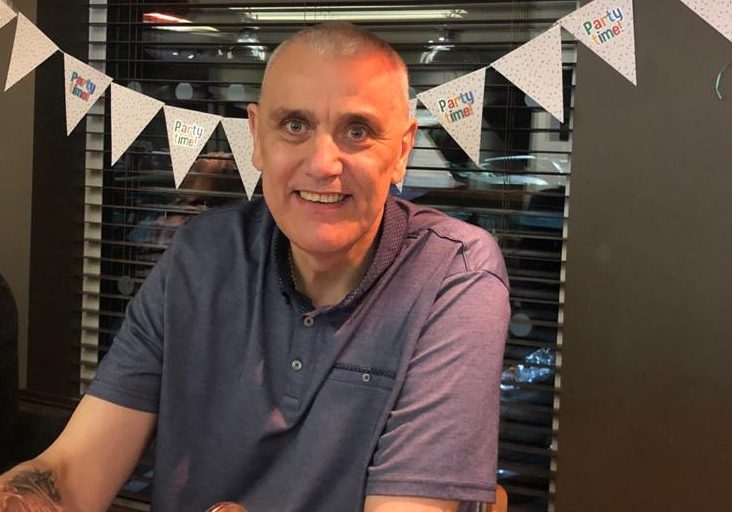
Hi, my name is Bethan, I'm 38. I'm a primary school teacher and I recently donated the right lobe of my liver to my brother, Peter.
I'm Peter, I'm 41. I'm a primary school teacher also and just nine weeks ago I received the bigger part of my sister's liver in a live donation.
We had a lovely childhood and spent a lot of time making messes and playing outside.
In 2020, I was diagnosed with PSC. Over the next 5 years my symptoms got worse. I first noticed fatigue as a big, big thing. As a primary school teacher,
I was told not to go in during lockdown. But I was going mad being stuck at home.
I remember saying to somebody, I wish I was in my mid 40s so I could use middle age as an explanation for how I feel so tired all the time. I was 36 at the time and she said “I feel tired too.” And that's just empathy, people are trying to be empathetic, but it's not the same sort of tiredness, not at all.
When Pete was diagnosed with PSC, he told us, DON’T GOOGLE THIS DISEASE! So I, being me, Googled everything I possibly could. Thankfully I came across the PSC Support website, which was one of the first places where I read about living donors.
So without any family knowing what I was doing I found out what Pete's blood group was, I found out what mine was and I had it in my mind that, should it come to it, then I would definitely be up for at least having an assessment for living donation.
Early Jan 2025, Pete was put on the transplant list When I told him I wanted to be assessed for living donation, he said “no, no, no, we're not doing that” and all of the family said “no, we're not doing that”.
It's a big operation for somebody who’s otherwise very, very well with nothing wrong with her. We agreed to do the assessment, but that it didn’t mean we'd actually do the surgery. I'd much rather have had a deceased person's organ to avoid my sister having to undergo everything, but one wasn't getting offered.
There are many, many stages to assessment. It’s important that the donor understand and know all the risks involved and that they can walk away at anytime if they change their mind.
We arrived at the hospital on Monday 22nd Sept. This was my (Pete) daughters birthday. Our surgeries were the following day.
The hospital were very, very good at letting my daughter, who's only five, visit me post-surgery. She really enjoyed that. She was fascinated by the whole thing.
All of my blood test results are in the normal range for liver now. And I'm not yellow, which is nice. I haven't been able to pick up my daughter for a couple of years. Nine weeks after surgery, I was helping her get ready for bed, I picked her up and she said, “daddy, you've got your energy back.
To anybody considering living donation, I would say definitely look into it. You don't lose anything from being assessed and there are so many advantages for the recipient of a living donation in terms of reducing the length of weight on the transplant list, and knowing the medical history of that organ.
I think PSC is probably quite a lonely journey in many ways. Your family can support you but you do it on your own and I think this was a way for me to do something so Pete didn't have to do it on his own. It was quite nice to do something. Because there's no cure for PSC.
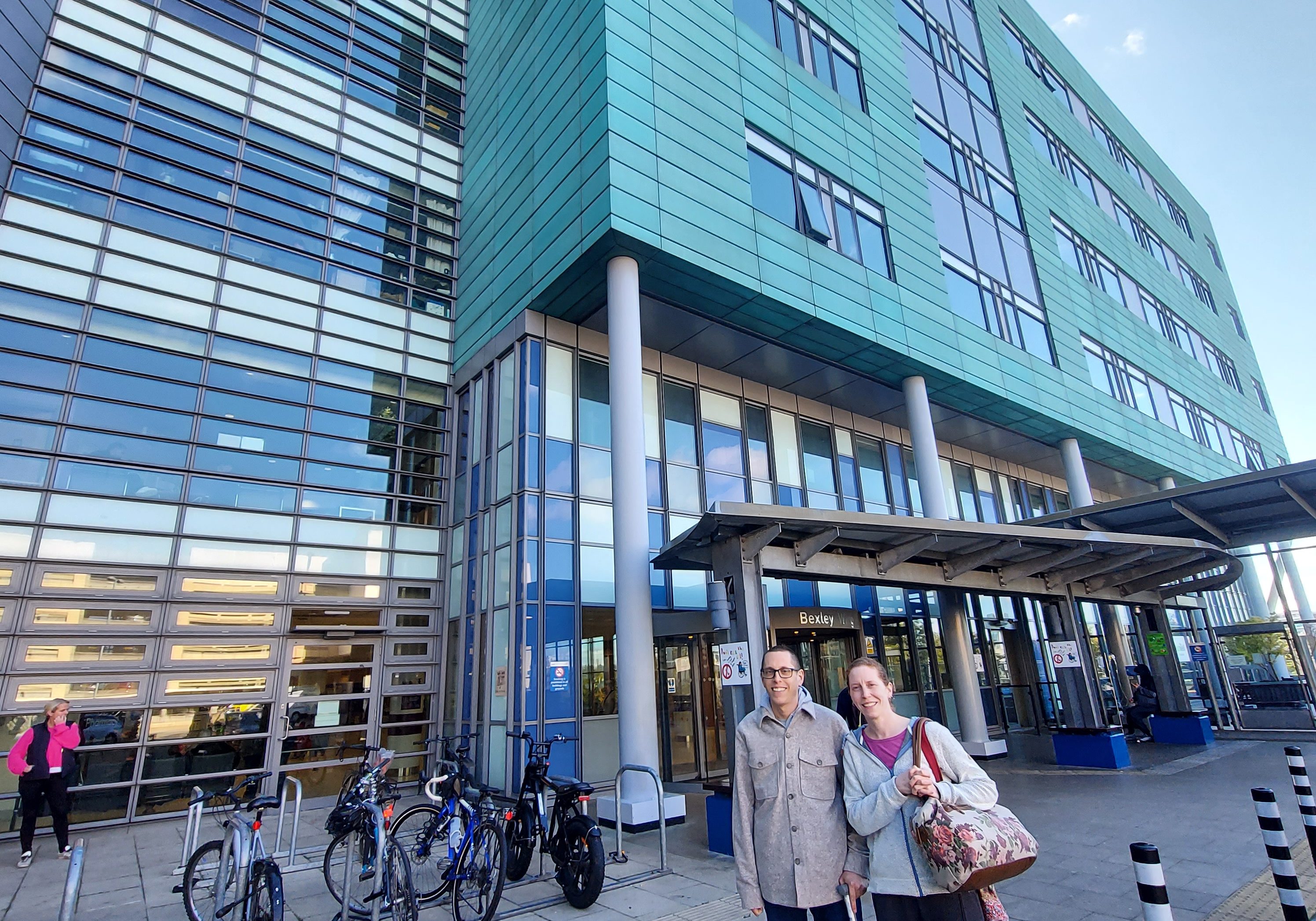
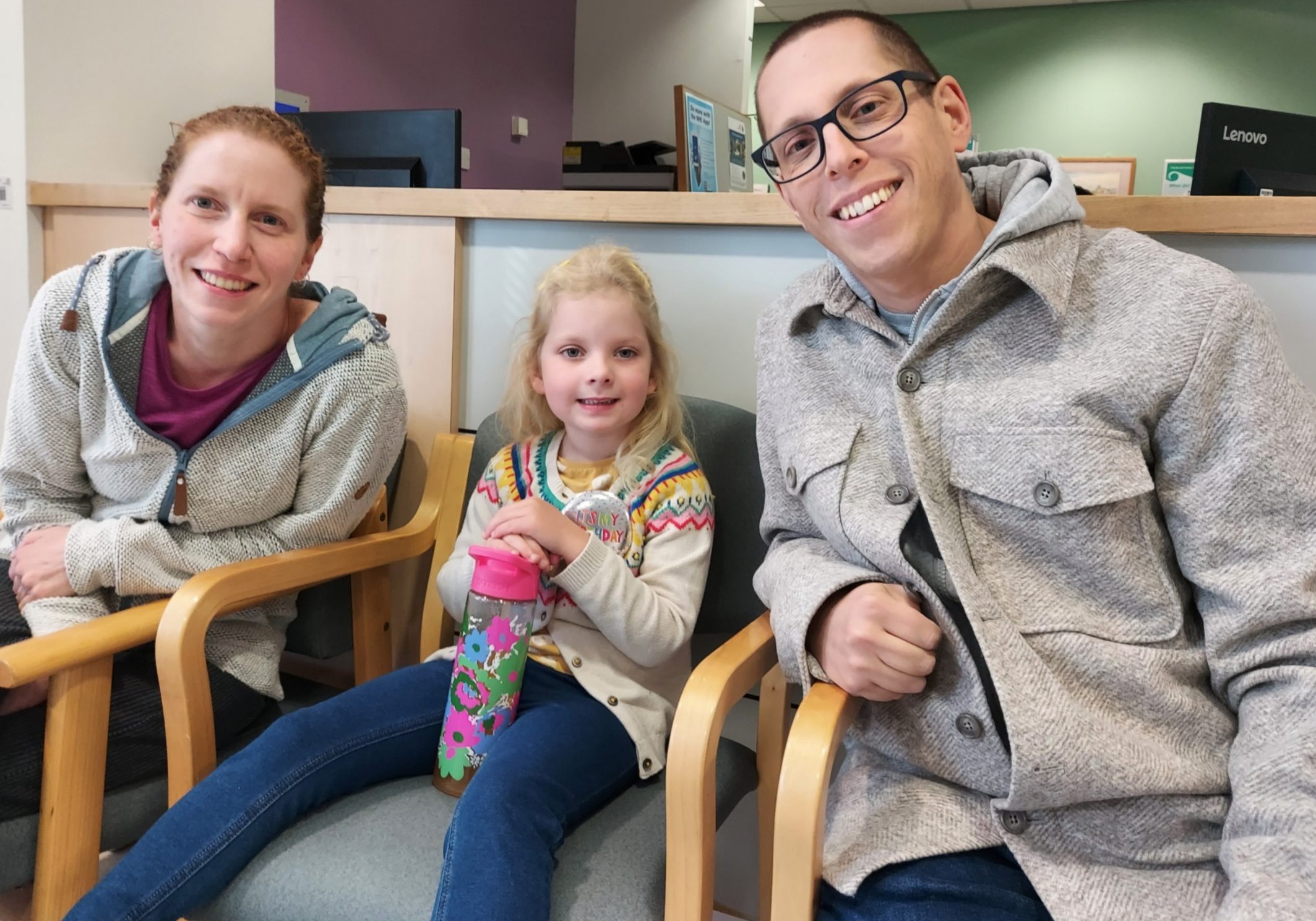
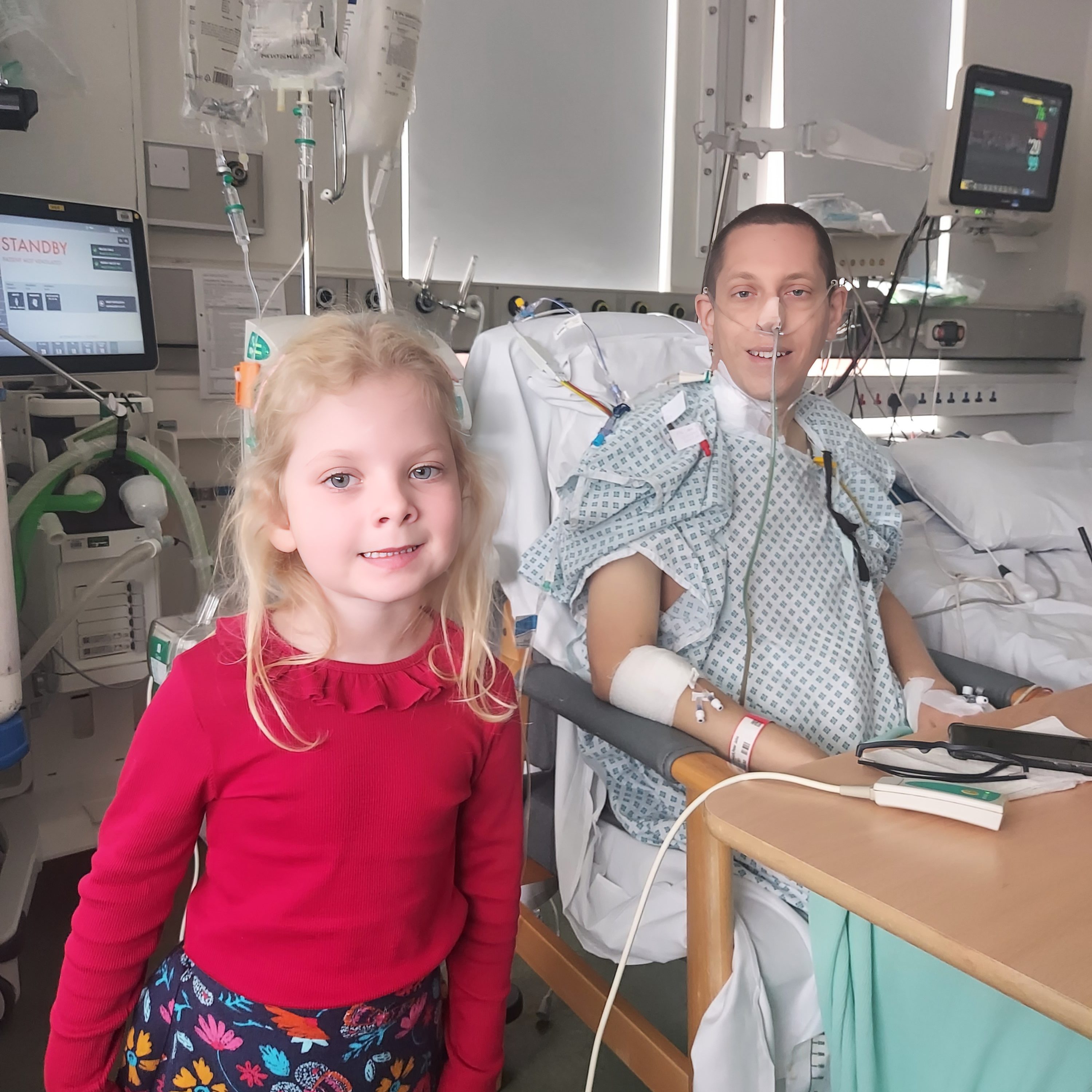
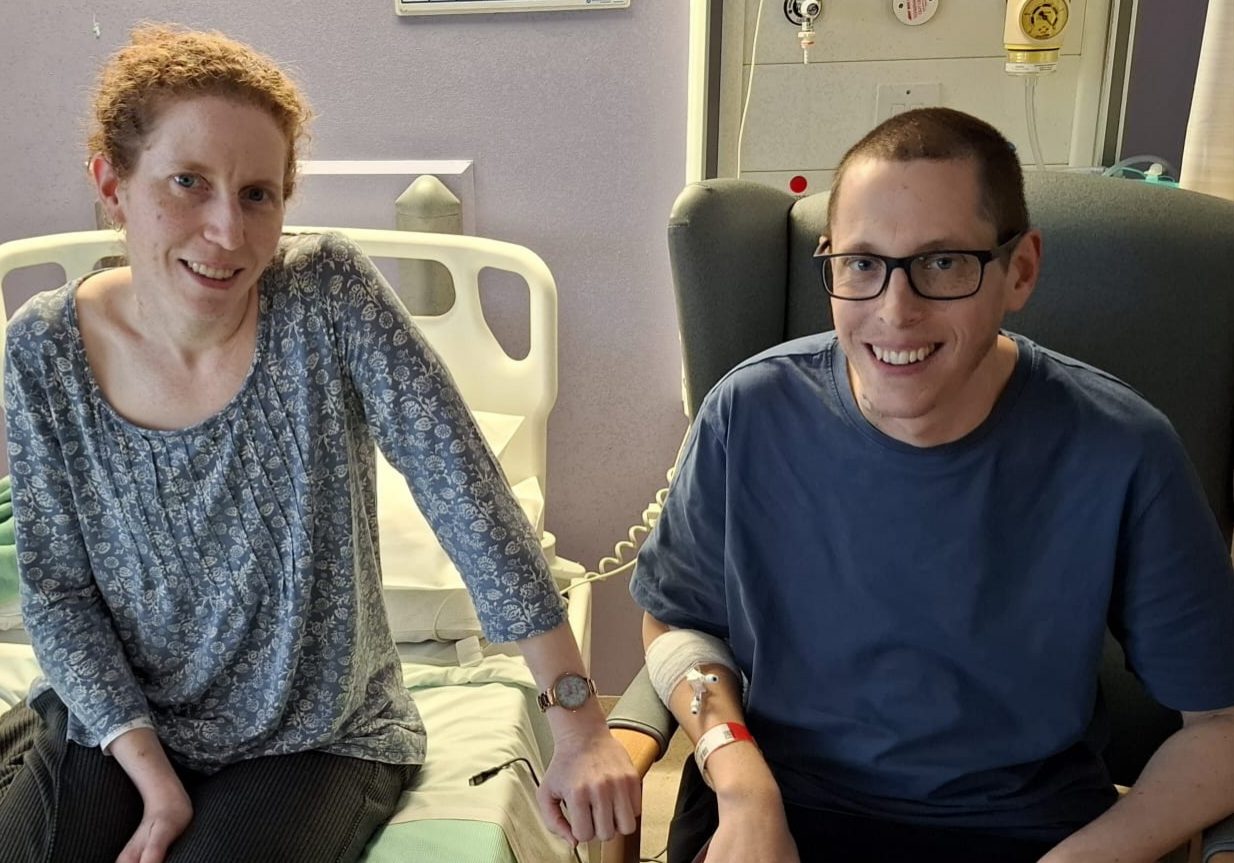
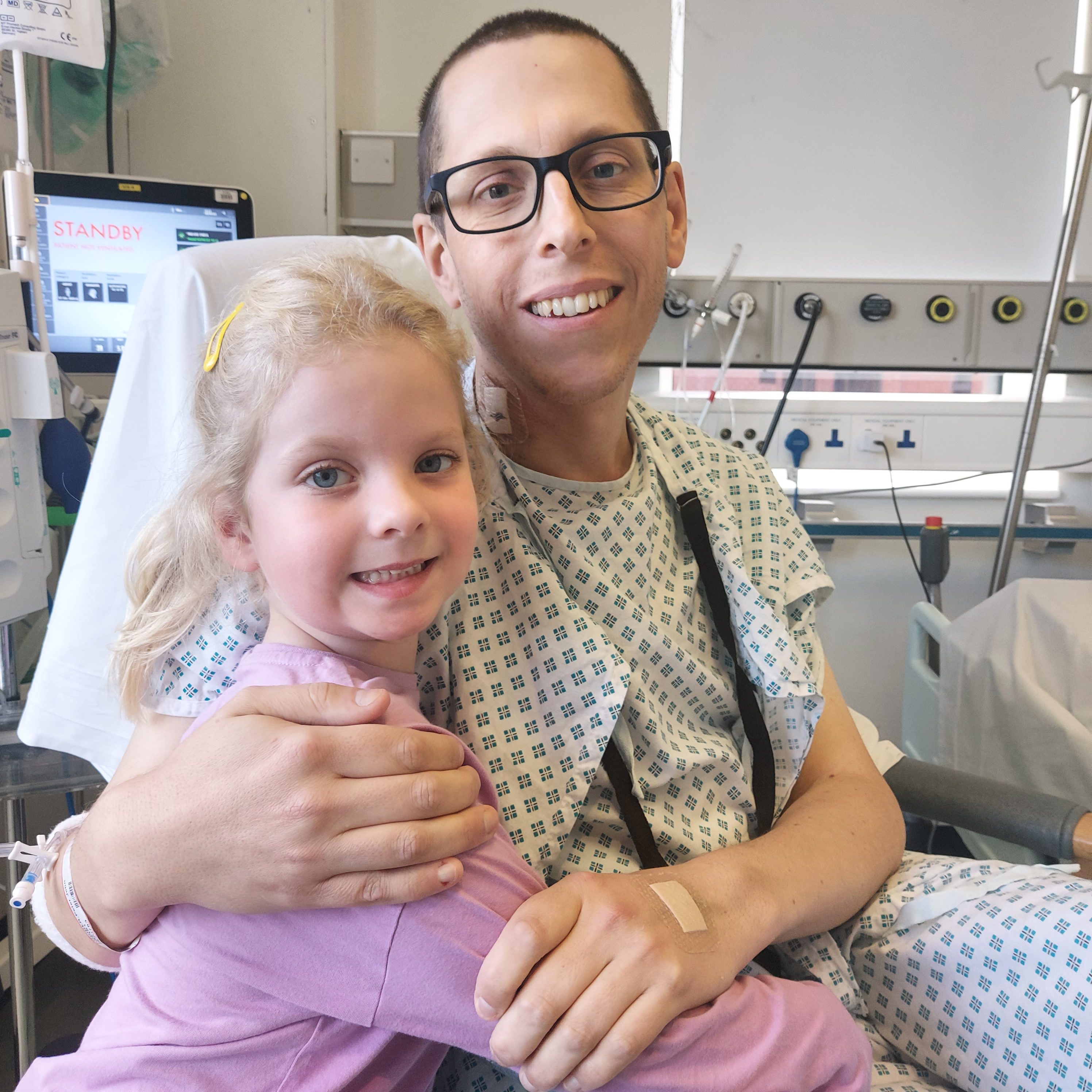
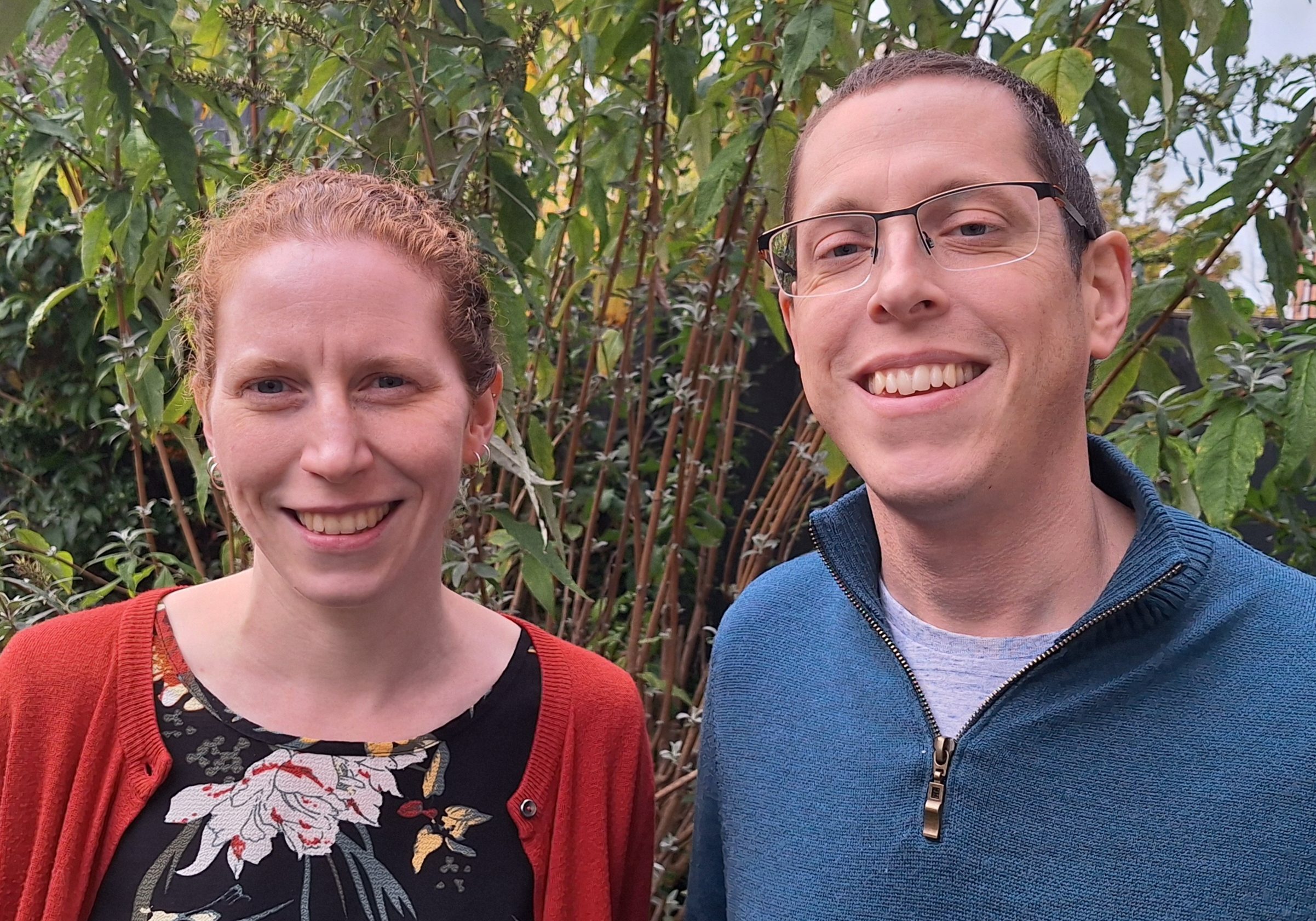
Thank you to Bethan and Peter for sharing their story and reaching out to the PSC community.
Connect with others
Joining our active Facebook group will help you to contact other people affected by PSC, ask questions and talk about living with PSC.
We created the group to provide emotional support and information to people with PSC and their families. We have created this safe space to ask questions and discuss life with PSC.