Progress and Plans at the ERN RARE-LIVER Members’ Meeting 2026
Progress and Plans at the ERN RARE-LIVER Members' Meeting 2026
Prague
12 -14 February 2026
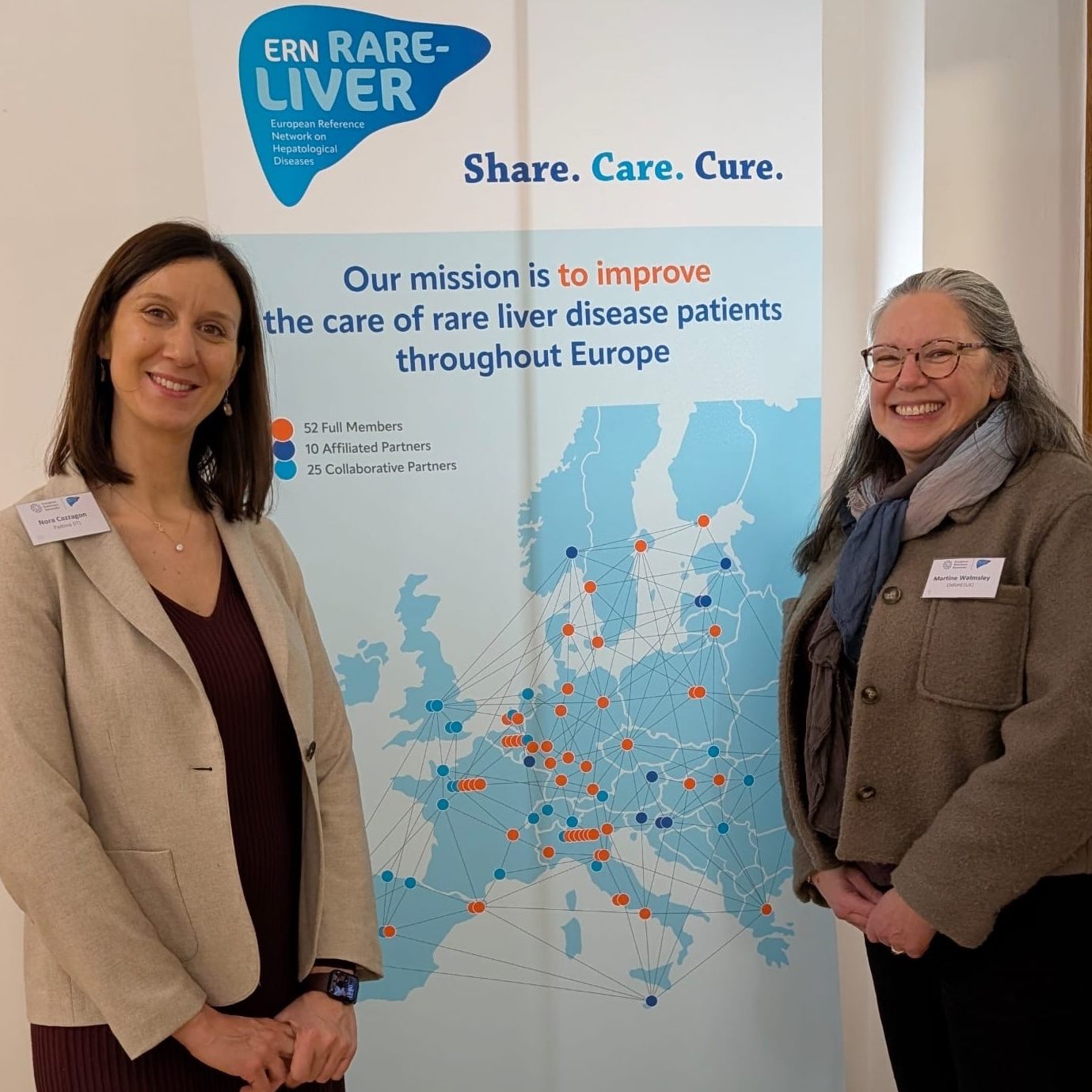
Martine Walmsley, PSC Support Head of Research and Co-Lead of the European Reference Network on Hepatological Diseases (ERN RARE-LIVER) PSC Working Group, is currently attending the network's annual Members' Meeting in Prague. Hosted by the Institute for Clinical and Experimental Medicine (IKEM) at Charles University, this meeting brings together experts to collaborate on improving care for rare liver diseases.
Together with Co-Lead Dr Nora Cazzagon, Martine is presenting a review of the working group's achievements over the last 12 months and outlining strategic priorities for 2026.
What is the ERN RARE-LIVER PSC Working Group?
The working group is a collaborative international team of clinicians and patient representatives dedicated to improving the lives of people with PSC. By sharing expertise across Europe, the group develops resources, clinical guidelines, and research projects that no single country could achieve alone.
What progress was made in 2025?
In the past year, the group successfully delivered several key resources, including:
- Paediatric Information: New PSC leaflets tailored for children, adolescents, and young adults, now available in 20 languages.
- Clinical Resources: The development of PSC leaflets specifically for clinicians to improve disease management.
- Education: A webinar focused on the transition from paediatric to adult care for patients with PSC and inflammatory bowel disease (IBD).
- Quality of Life: A dedicated workshop held in October 2025 to evaluate the impact of PSC on patient wellbeing.
What are the plans for 2026?
The working group is advancing several ongoing and new projects:
- Patient Empowerment: Developing a 'question prompt list' to help patients navigate consultations in non-expert centres.
- Clinical Care: sharing results on our surveys on diet in PSC and launching our acute cholangitis survey in 8 more languages to better understand patient experiences and needs.
- Data and Registries: Continuing work on the PSC-IBD registry to improve long-term data collection.
- Care Pathways: Defining clear patient pathways to ensure equitable access to specialist care.
Turning Ambition into Action in 2026:
Our Fortnight in Focus
At PSC Support, we want a world without PSC. We work tirelessly behind the scenes to drive research and improve lives. Here is a snapshot of what we've been up to:
Improving Care: We attended a major national clinical conference to equip general gastroenterologists and nurses with specialist knowledge, which helps ensure future work is better aligned with what people with PSC need by improving local care and pathways.
Progressing Research: Our 2024 investment into early-stage research to build necessary scientific evidence enabled Dr James Sun to secure major national funding to explore the genetic drivers of the disease. This foundational knowledge is essential for identifying potential new treatments.
Progressing Research: We supported the development of a research manuscript on nutrition in PSC, so that the findings can be effectively shared with the wider medical community. This will help us advocate for the needs of people with PSC to ensure they get the care they need at the right time.
Improving Care: We hosted a clinical consensus meeting to map out an ideal PSC care pathway, which helps ensure future PSC management is better aligned with what people with PSC need. Establishing standard protocols across the NHS is essential for eliminating regional variations in care.
Progressing Research: We contributed to the strategic planning of an international rare liver disease network, which supports progress towards better care for people with PSC. Broadening our influence ensures patient needs are integrated into wider clinical strategies.
Improving Care: We shared firsthand experiences of living with PSC at an international medical school event, which improves clinical understanding of the disease for healthcare professionals. This is important because ensuring future specialists understand the human impact of PSC helps drive patient-centered care and clinical excellence.
Progressing Research: After just over 48 hours on our Big Give Small Charity Week match funding initiative, your donations helped us get to 78% of the way to our £20,000 goal! Thank you! Can we reach 100%?